
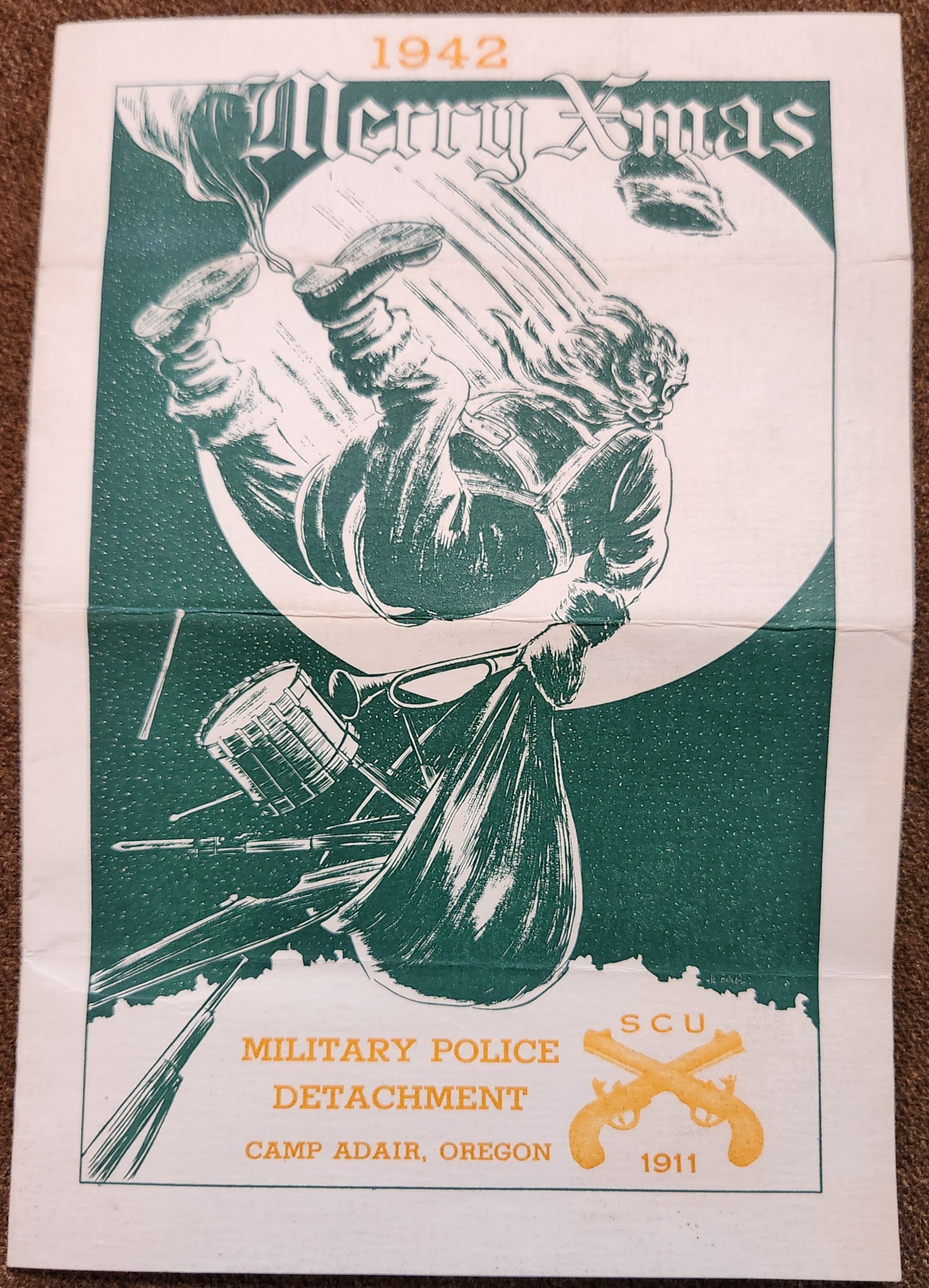
SCU 1911 at Camp Adair
Service Command Unit 1911 was part of the Ninth Service Command structure responsible for the operation and administration of Camp Adair. The unit appears frequently in the Camp Adair Sentry, demonstrating how broad its responsibilities were.
The surviving Camp Adair Sentry material specifically identifies Headquarters Company, SCU 1911, and personnel associated with the unit.
SCU 1911 was not a combat division like the 70th, 91st, 96th, or 104th Infantry Divisions that trained at Camp Adair. Instead, it was part of the Army's service and post-support organization. These soldiers helped keep the enormous cantonment functioning so that the combat divisions could train.
Its activities included personnel associated with:
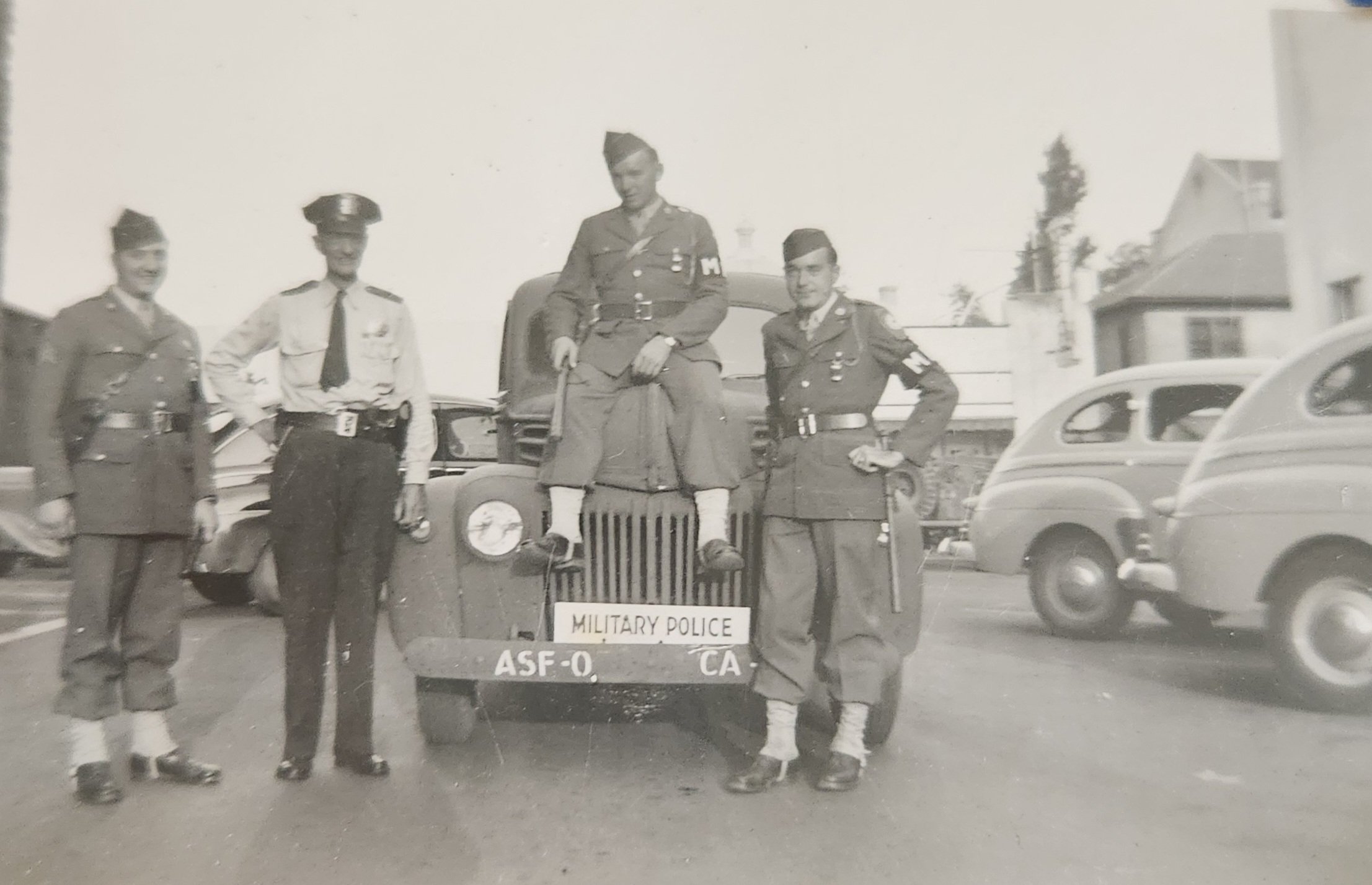
Military Police
Post administration and headquarters
Station Hospital support
Post transportation and other services
Recreation and entertainment
Band and musical activities
Security and guard duties
Supply and logistical functions
One particularly interesting example is the Military Police. The November 1942 Sentry identifies the MPs as being attached to Military Police, SCU 1911, and reports that Camp Adair's MPs were receiving equipment and even preparing to use military working dogs.
SCU 1911 also had a significant social presence on the post. In March 1943, the Sentry announced the opening of the SCU 1911 Non-Commissioned Officers' Club. The club was supported by various Camp Adair organizations, including the Post Engineers, Quartermaster, and Sales Commissary.
The unit also had its own band and dance musicians. During Camp Adair's September 1943 open-house activities, the SCU 1911 Band performed a concert on the parade ground, while the SCU 1911 NCO Club hosted a buffet supper and dance.
There is also documentary evidence connecting SCU 1911 with the Station Hospital. A November 24, 1943 Army payroll document identifies the organization as “SCU 1911, Station Hospital,” Camp Adair, Oregon.
Why SCU 1911 matters
For the history of Camp Adair, SCU 1911 is significant because it helps tell the story behind the combat divisions. Camp Adair required thousands of soldiers and military personnel simply to operate the post guarding it, maintaining buildings, running the hospital, administering personnel, handling supplies, providing transportation, operating recreational facilities, and performing countless other duties.
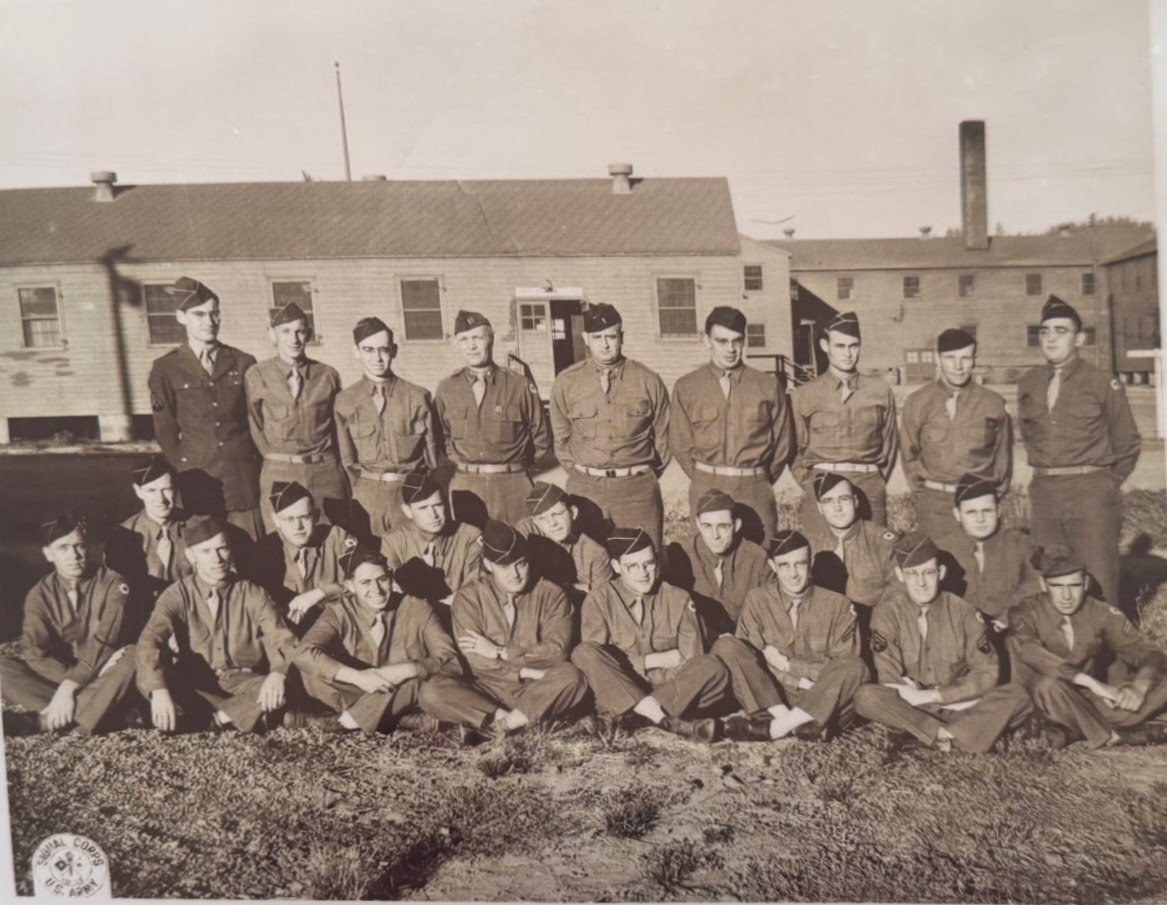

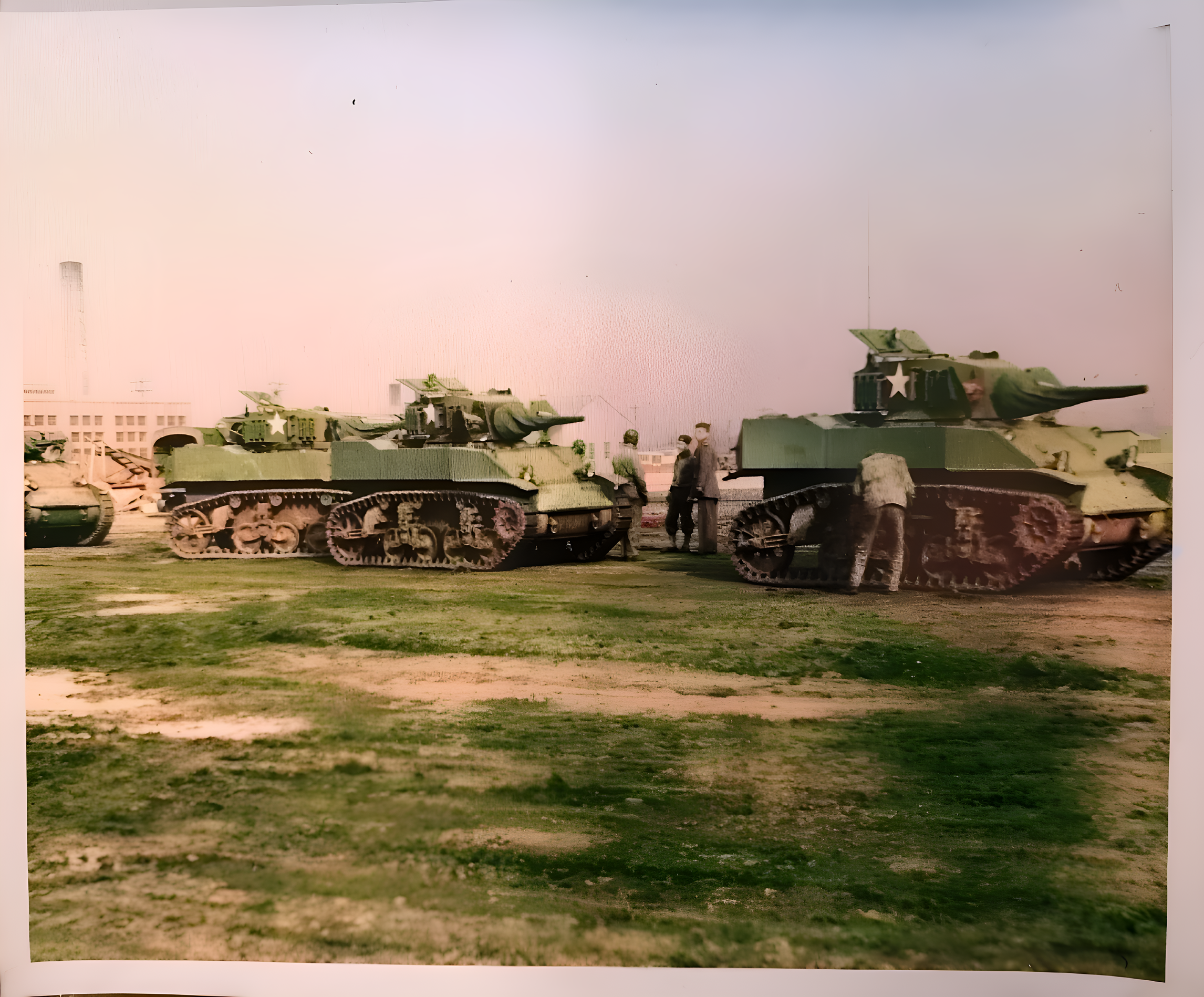
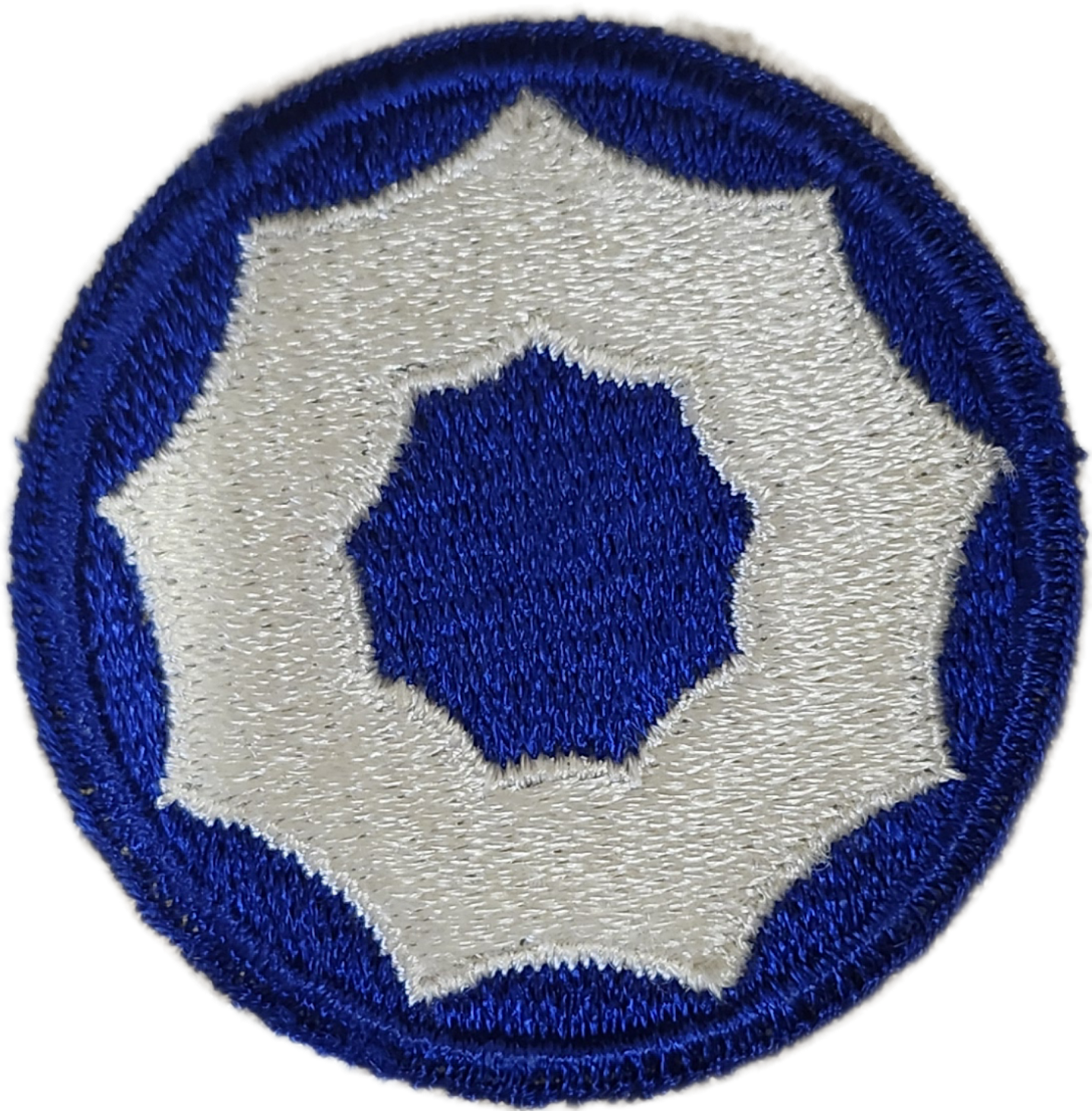
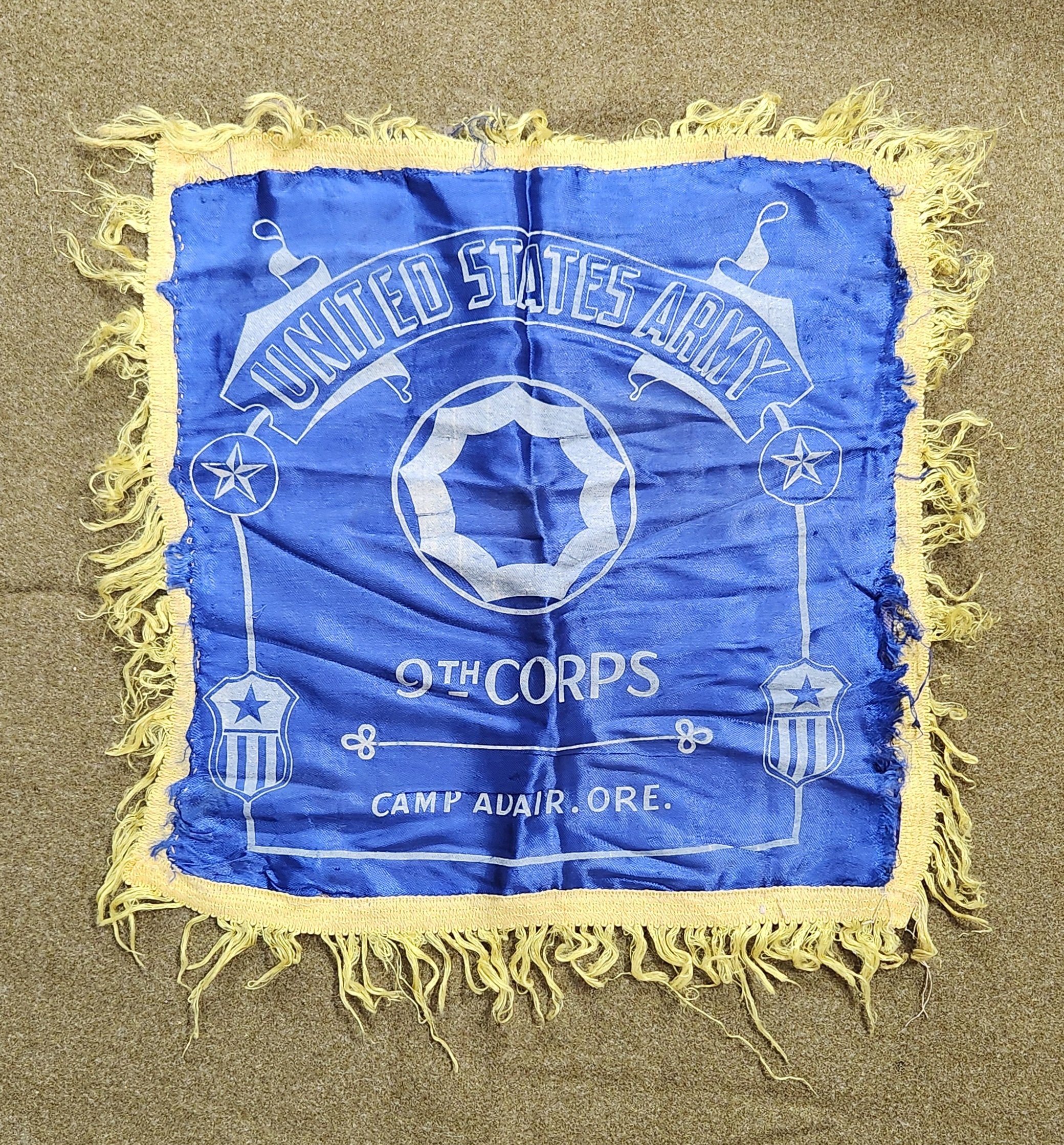
9th Service Command
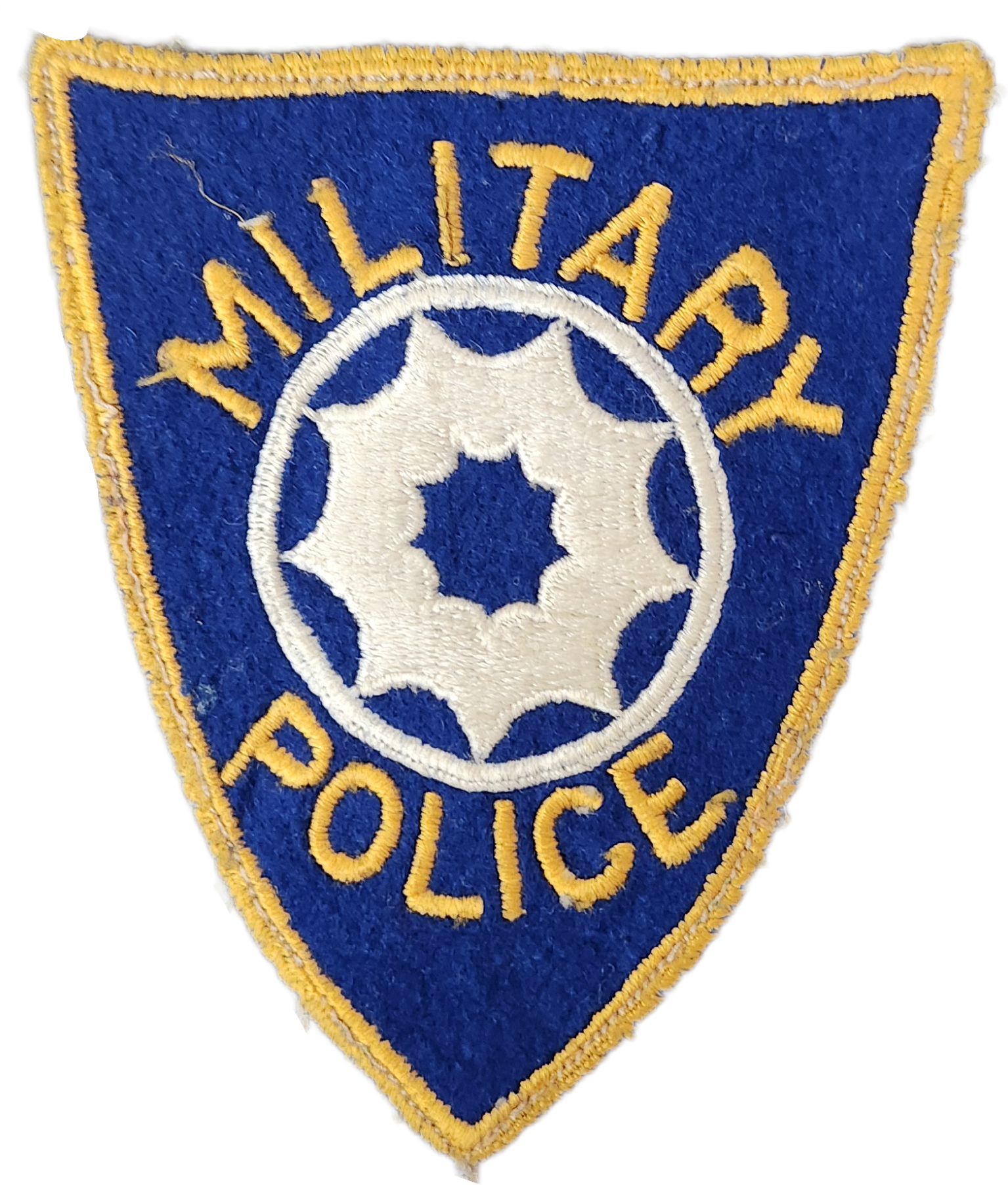
This patch was Adopted in 1943 for the Military Police at Camp Adair
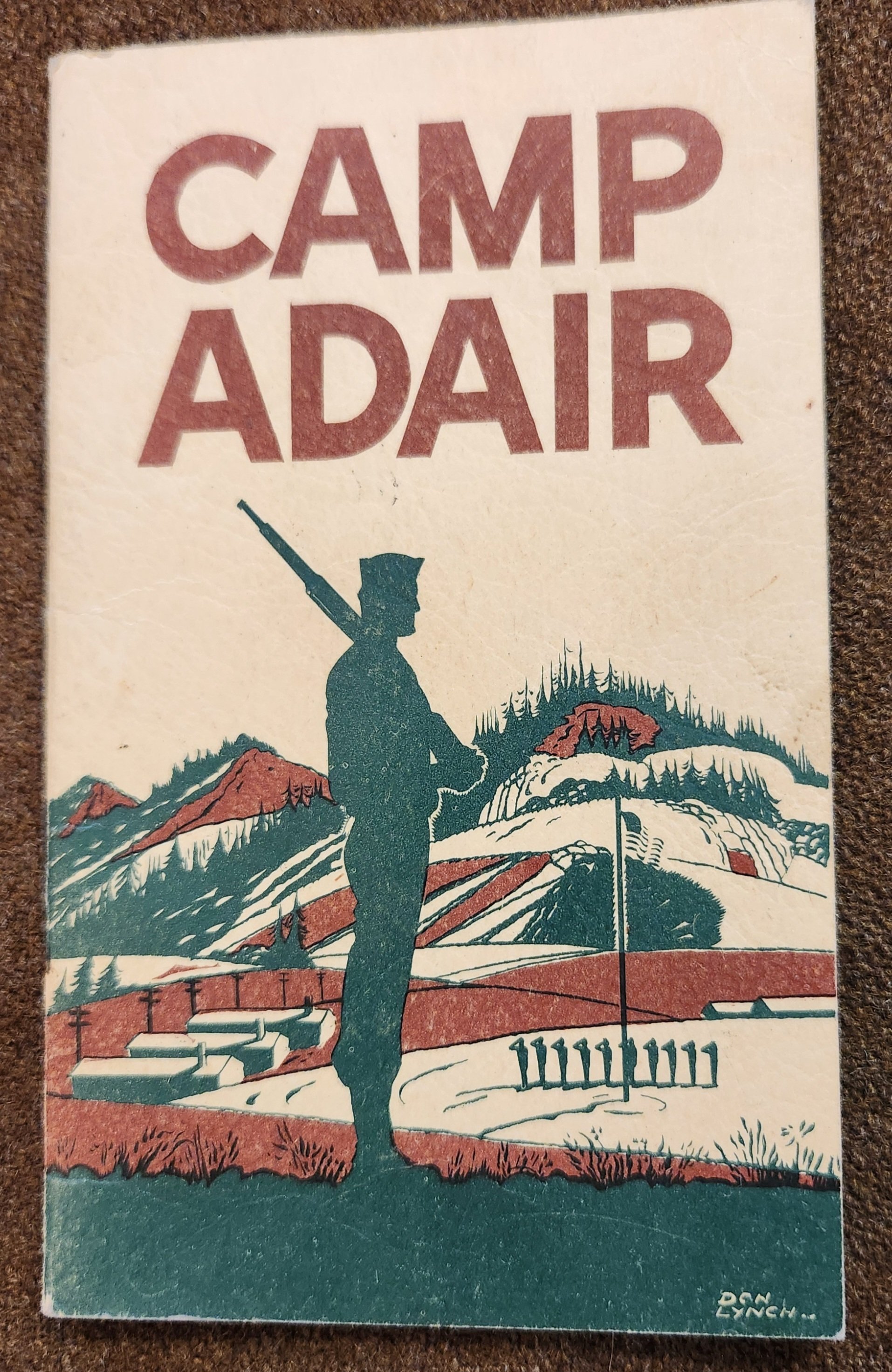
The Camp Adair Books where given to new arrivals to the post. There are Two versions of the Book an earlier book without a map and the later with a map post June 1943. Interesting fact is that Bell Phone published the books for Camp Adair.
The cover was designed by T5 corporal Donald Lynch S.C.U.1911
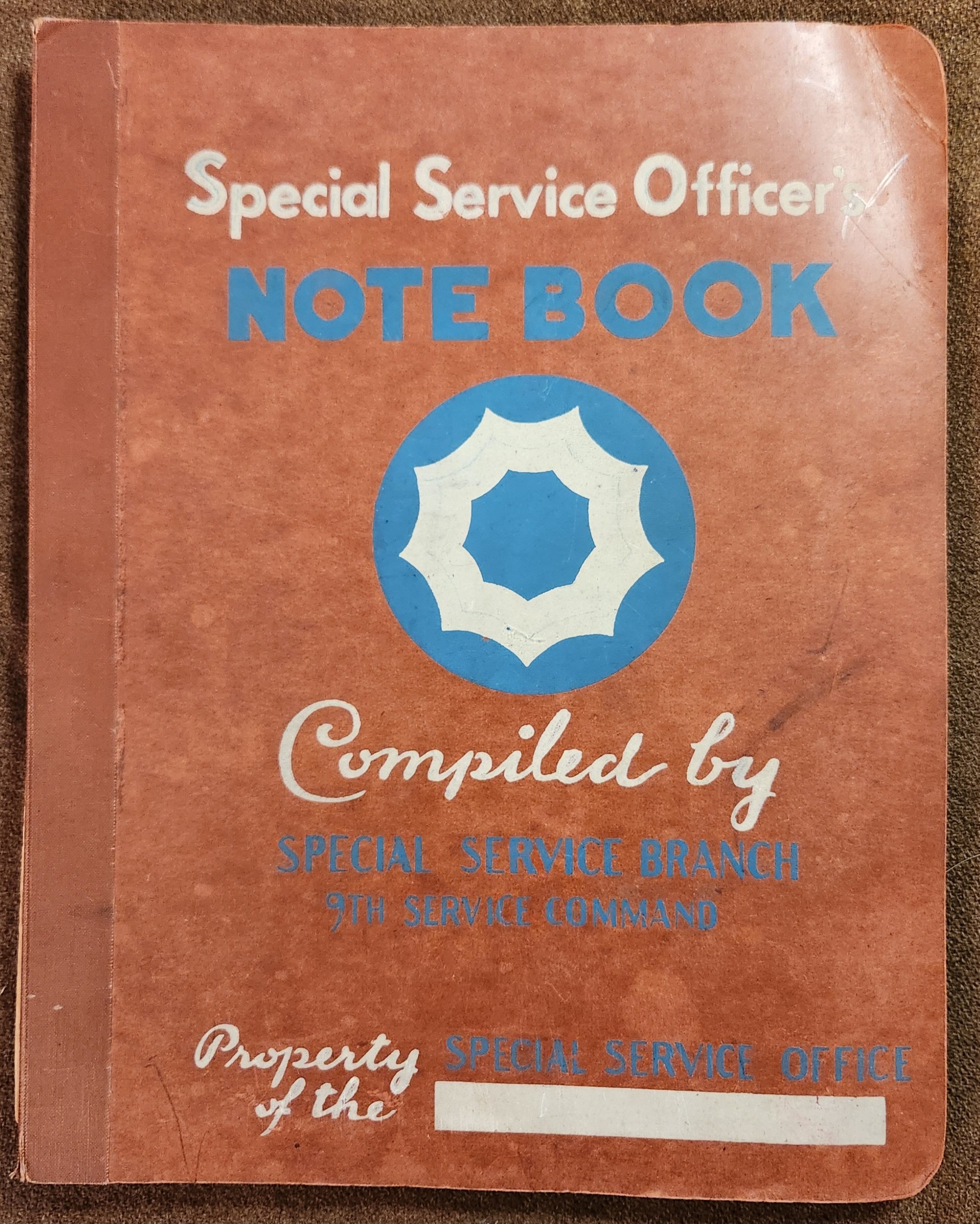
This book talks about how to entertain the troops. From sports to theaters, service clubs, libraries and day rooms.
Camp Adair Post Commander’s World War 2
Colonel Gordon H. McCoy
First Post Commander — 1942 to September 1943
Colonel Gordon H. McCoy was Camp Adair's first post commander.
As Camp Adair was being completed in 1942, McCoy became the officer responsible for establishing the new cantonment and overseeing its transformation from a construction project into a functioning Army post.
By August and September 1942, Camp Adair was already receiving soldiers and establishing the services necessary to support thousands of troops. Contemporary Oregon newspapers identify McCoy as the post commander during this period.
McCoy's tenure coincided with the arrival of the 96th Infantry Division and the 104th Infantry Division, making the new installation one of the major training centers in the Pacific Northwest.
He represented Camp Adair at community events throughout the Willamette Valley and worked closely with local communities as the enormous military installation became part of life in the Corvallis, Albany and Salem area.
One of the important events during his command was the dedication of Camp Adair in September 1943, when McCoy accepted personal effects and military relics belonging to Lieutenant Henry Rodney Adair, the Army officer for whom the camp had been named.
After more than a year as post commander, Colonel McCoy retired from active Army service. The Camp Adair Sentry reported that his final review as post commander took place on September 30, 1943.
Lieutenant Colonel Eugene Foster
Post Commander — November 1944 to June 1945
Lieutenant Colonel Eugene Foster followed Colonel Hays as commander of Camp Adair in November 1944.
Foster had already been serving at Camp Adair. He had arrived in May 1943 as the post executive officer after previously commanding Camp McQuaide, California.
His command came at a very different point in Camp Adair's history.
By late 1944, most of the major combat divisions that had trained at Adair had departed. The camp was increasingly being used for other wartime purposes, including its role as a prisoner-of-war facility and later as a replacement and redeployment center.
Foster therefore oversaw Camp Adair during the transition from a major infantry-training center to a much different wartime mission.
In June 1945, after approximately seven months as post commander, Foster left Camp Adair for Camp Cooke, California, where he was assigned as executive officer.
Colonel Samuel D. Hays
Post Commander — October 1943 to November 1944
Following McCoy's retirement, Colonel Samuel D. Hays became Camp Adair's next post commander.
The Camp Adair Sentry later described Hays as the officer who succeeded McCoy and noted that he assumed command in October 1943.
Hays commanded Camp Adair during a major transition in the camp's history.
The 96th and 104th Infantry Divisions had moved on to other training areas, while the 70th Infantry Division, the Trailblazers, became the principal division at Camp Adair. Other Army organizations continued to use the post as well.
During Hays' command, Camp Adair remained a busy military community with its hospitals, theaters, service clubs, chapels, warehouses, training facilities and thousands of soldiers.
Hays was also closely involved with the surrounding communities. Local newspapers recorded his correspondence and cooperation with Salem officials concerning the thousands of soldiers passing through Camp Adair.
In November 1944, Hays was transferred to Camp Beale, California. A farewell dinner was held for Colonel and Mrs. Hays at the Camp Adair Officers' Club before his departure.
Colonel Lewis S. Norman
Post Commander — 1945
Colonel Lewis S. Norman succeeded Lieutenant Colonel Foster in 1945.
A June 1945 report from the Capital Journal stated that Norman had arrived at Camp Adair to take over from Foster. Norman had previously served in the 7th Infantry Division and had been responsible for Army supply activities in the Ninth Service Command district around Phoenix, Arizona.
Norman's command came as Camp Adair entered its final wartime chapter.
The camp was being prepared for the Army Ground Forces Replacement Depot, receiving soldiers who were being processed for further assignment during the final months of the war.
Camp Adair continued operating after Germany's surrender and the end of the war in Europe. Its wartime functions continued through the summer and fall of 1945 as the Army dealt with redeployment and the enormous number of soldiers returning from overseas service.