
US ARMY Backpacks of World War 2
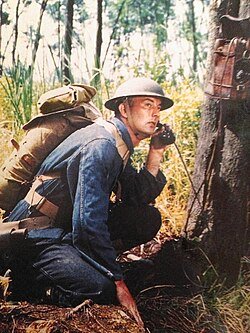
M-1928 Haversack
The M-1928 Haversack was a standard piece of U.S. Army infantry equipment during World War II. It was designed to carry a soldier’s basic field necessities, including rations, spare clothing, and personal items. The pack was part of a larger system that included a separate meat can pouch, bayonet attachment, and other equipment. Its web straps and buckles allowed it to be secured to the soldier’s equipment belt and worn during marches and combat operations.
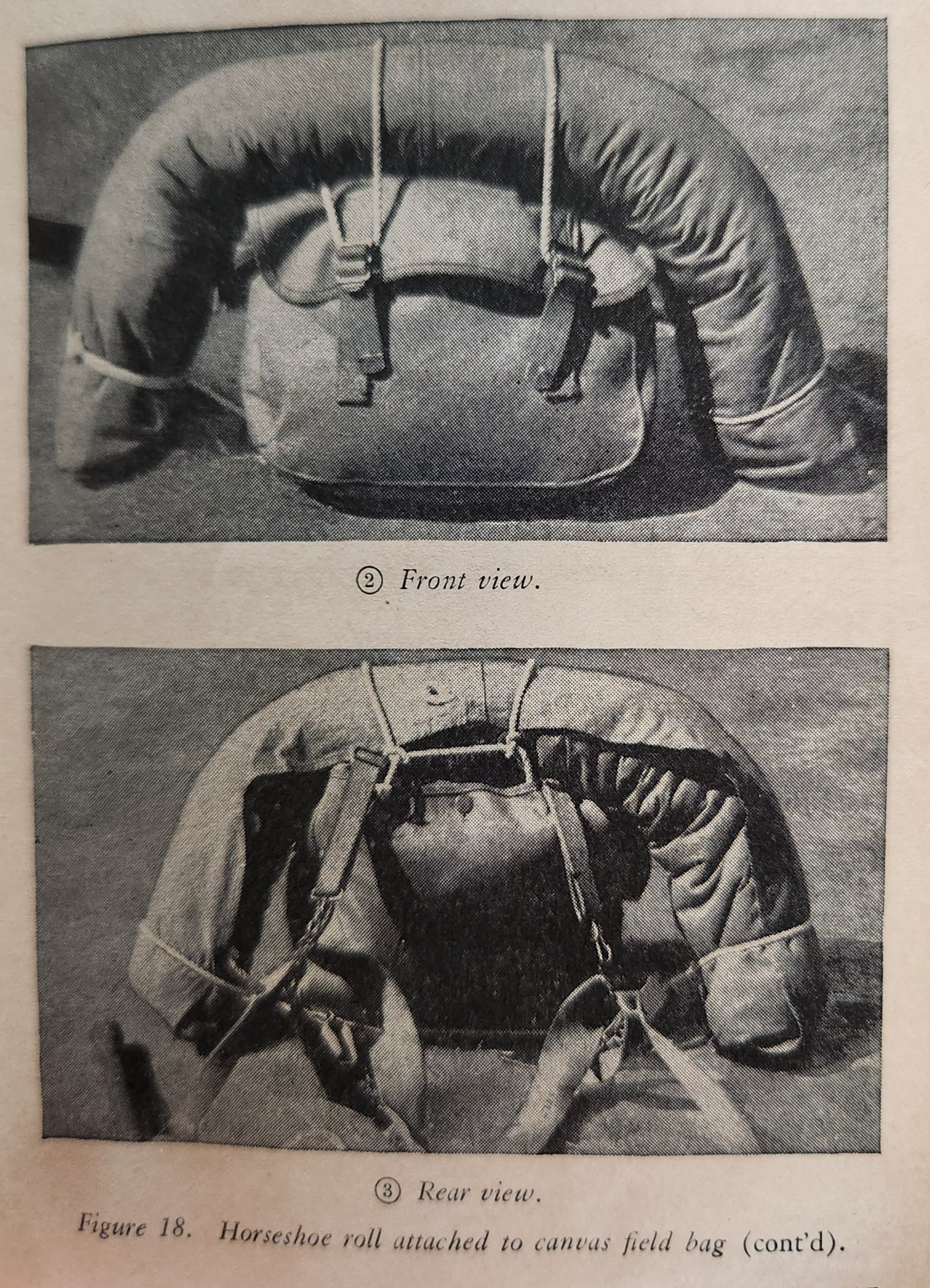
M-1936 Musette Bag
The M-1936 Musette Bag was a compact canvas bag designed to carry personal gear, documents, and essential supplies. It was commonly associated with officers and other personnel who needed a practical alternative to the larger infantry haversack. It could be carried over the shoulder or attached to compatible equipment. Its relatively simple design made it useful for field duties, travel, and everyday military work throughout World War II.
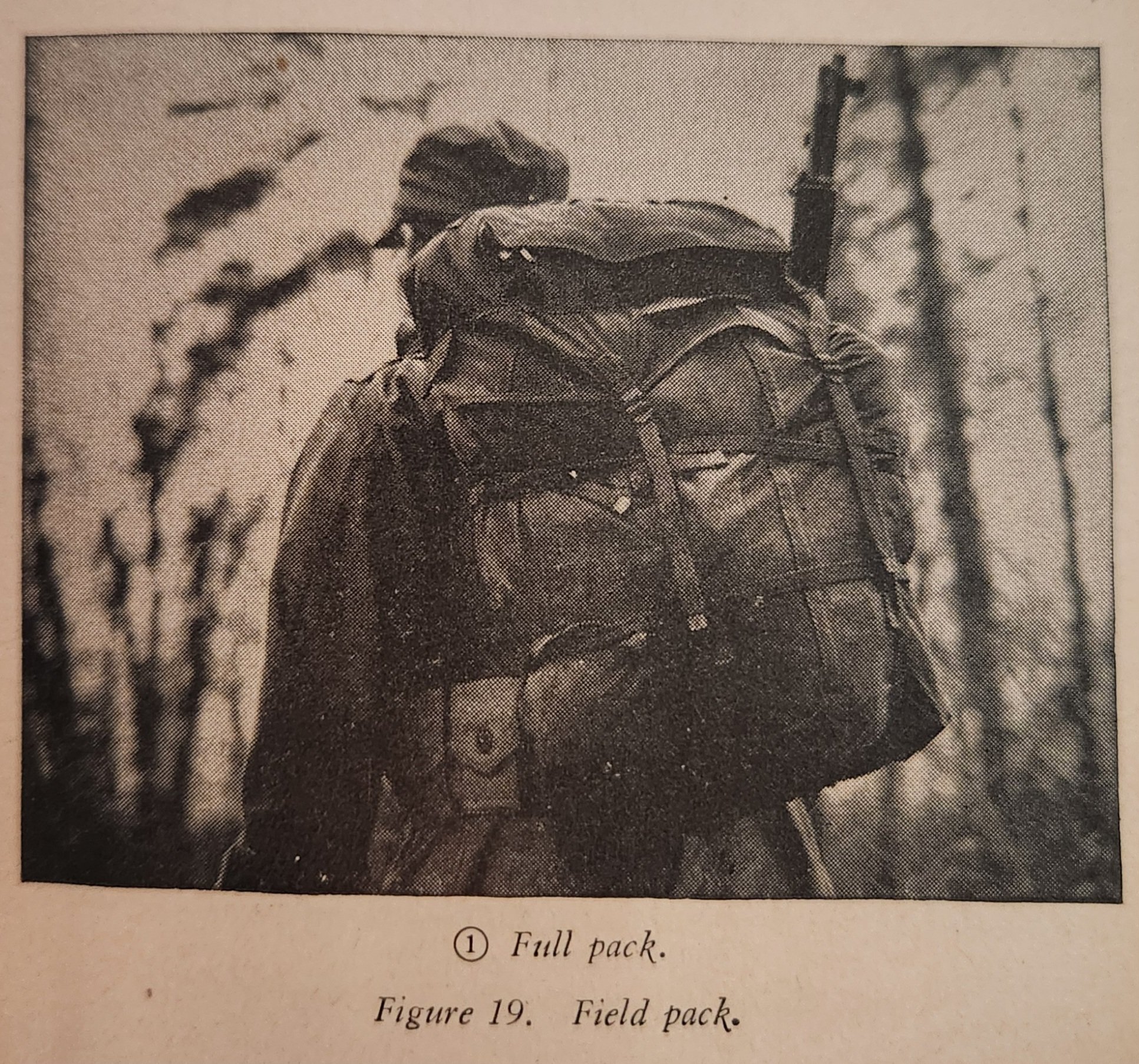
M-1943 Jungle Pack
The M-1943 Jungle Pack is associated with efforts to develop practical load-carrying equipment for soldiers operating in hot, humid environments, particularly in the Pacific theater. Jungle operations required troops to carry food, water, ammunition, clothing, and other necessities through dense vegetation and difficult terrain. Lightweight construction and a practical carrying arrangement were important considerations. The exact designation and service history of equipment described as the “M-1943 Jungle Pack” should be verified against the particular model, as experimental and specialized pack designs can be confused with standard-issue equipment.
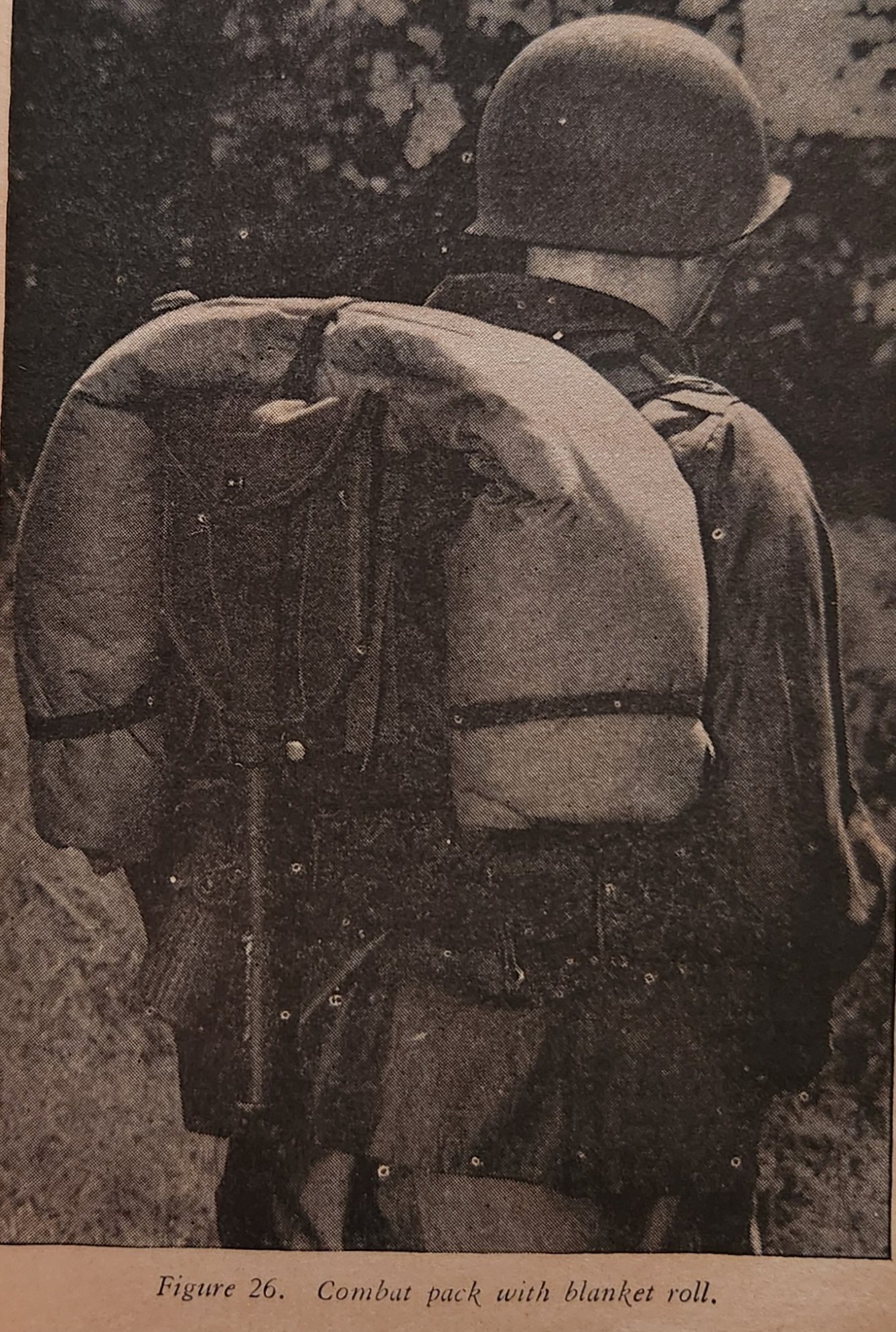
M-1944 field pack system
The M-1944 field pack system represented a later development in American Army load-carrying equipment. It was designed to improve how a soldier carried essential combat supplies and additional field gear. The system used separate pack components to help organize equipment and distribute the load more effectively. Introduced late in World War II, it saw more extensive association with the postwar U.S. Army than with the early-war infantryman.
EQUIPMENT DISPLAY
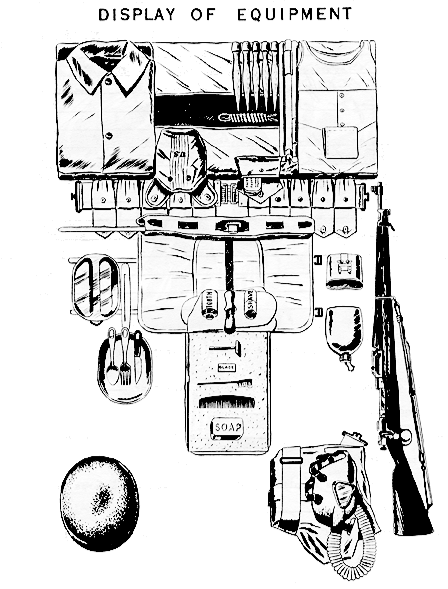
Shown here is the proper way to display World War 2 equipment for inspection
M1 steel helmet with liner
Under shirt
Boxers
Handkerchief
Rain Coat
M1 Garand rifle
Bayonet and scabbard
Cartridge belt and web equipment
Canteen, cover, and cup
M1928 haversack or other pack as authorized
Entrenching tool
First-aid pouch
Gas mask and carrier
Mess kit and eating utensils
Shelter half, pegs, poles, rope
Blanket
personal hygiene items