
Faith, Food, Fellowship, and a Little Taste of Home
During World War II, Camp Adair was city filled with thousands of soldiers, officers, nurses, civilian workers, chaplains, entertainers, and support personnel. For many of the men stationed there, the holidays of 1942, 1943, and 1944 were spent far from their families and familiar homes.
The Army could not stop training simply because it was Christmas, Easter, or Thanksgiving. But Camp Adair made an effort to recognize the holidays and give its soldiers something that was increasingly important as the war continued: a sense of home.
The pages of the Camp Adair Sentry, the post newspaper published from 1942 to 1944, show that holidays at Adair included religious services, special meals, dances, concerts, parties, athletic events, entertainment, and opportunities for soldiers to spend time with local families.
Of all the holidays, Easter, Thanksgiving, and Christmas appear to have received some of the greatest attention.
Valentine's Day
Even Valentine's Day found its place in military life at Camp Adair.
The Post Exchange sold Valentine's cards and boxed candy, while the Service Clubs organized dances and social events.
In February 1944, Camp Adair's Service Clubs held special Valentine's activities, including a Sweetheart Ball and dances.
The holiday also brought outside entertainment to the post. The 1944 entertainment season included a special Hollywood Valentine's appearance by actor Victor Mature, giving soldiers another reminder that life at Camp Adair was about more than drills and field exercises.
Easter at Camp Adair
Easter was an especially important religious observance at Camp Adair. In the spring of 1943, the holiday brought together soldiers from different divisions and commands for one of the most impressive religious gatherings held at the post.
The centerpiece was a large Easter service held in the Camp Adair Field House. Nearly 1,000 soldiers gathered for the service, including men of the 96th Infantry Division, the 104th Infantry Division, and the 9th Service Command.
The service was organized by Chaplain Major Lloyd V. Harmon and featured music on a scale rarely seen at a military post. Oregon State College provided a 120-voice choir, directed by Dr. Paul Petri, head of the college's music department. Three military trumpeters also participated, adding to the solemn atmosphere.
For soldiers preparing for combat and eventual overseas deployment, the service carried a meaning that went beyond the religious ceremony itself. Many of the men knew that they might soon be leaving Oregon, and some would not celebrate another Easter at Camp Adair, or even another Easter in the United States.
Special Easter breakfasts were also arranged for the troops, with separate meal times at 6:00 a.m. and 8:15 a.m. This allowed large numbers of soldiers to eat while still accommodating the day's activities.
Religious observances were not limited to one denomination. Catholic Mass, Jewish services, and Protestant worship were conducted at Camp Adair's chapels, reflecting the variety of religious backgrounds represented among the soldiers.
Easter therefore became a combination of faith, music, food, fellowship, and remembrance, a brief pause from the demanding routine of military training.
The April 1943 issues of the Camp Adair Sentry provide the primary references for this Easter observance.
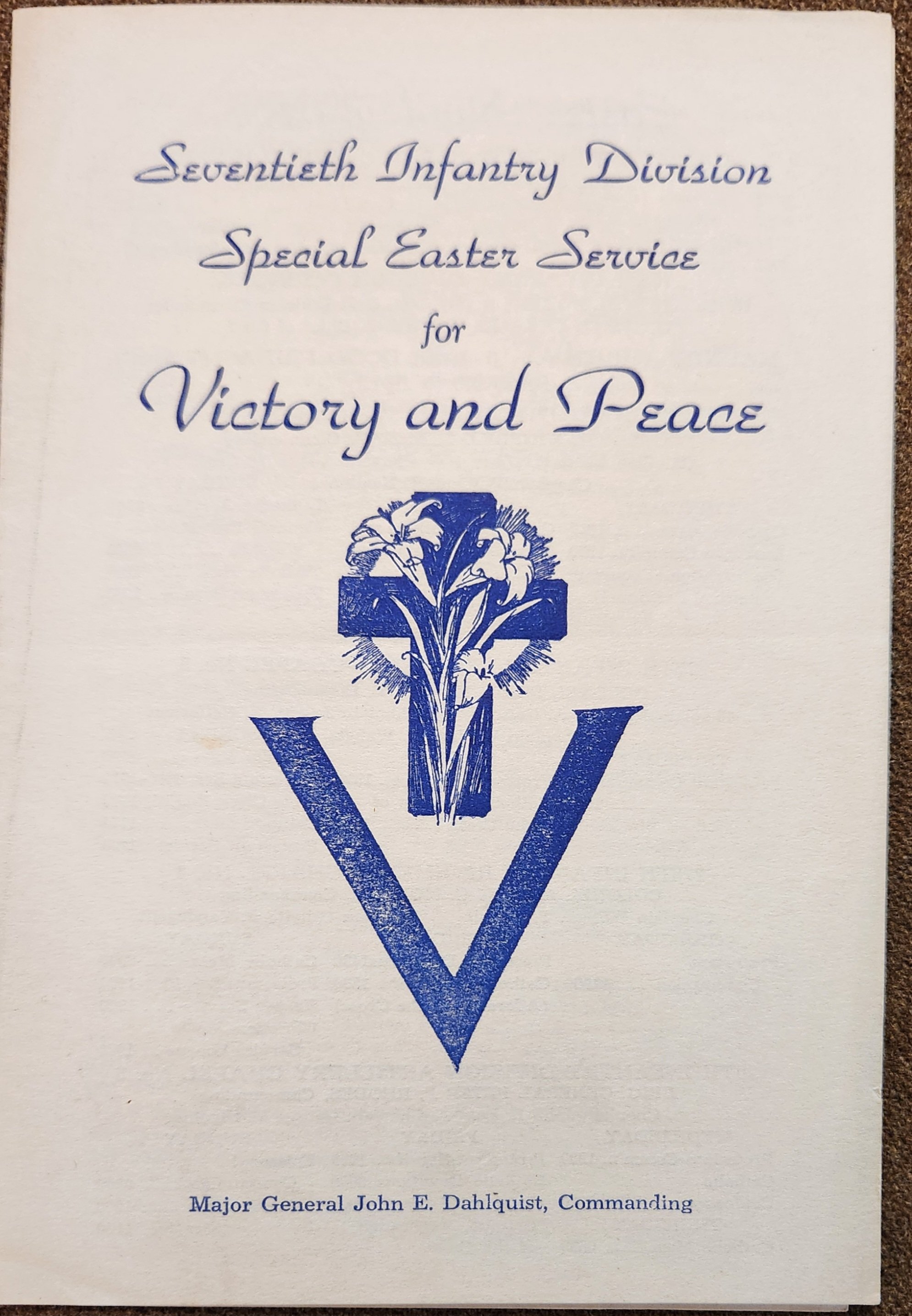
Easter service in the Field House 1944
Memorial Day
Memorial Day, or Decoration Day, as it was commonly called at the time had an especially serious meaning at Camp Adair.
By 1944, many Americans were already dying overseas, and the soldiers at Camp Adair understood that the training they were undergoing could soon put them in combat.
Camp Adair participated in Memorial Day observances with surrounding communities.
In May 1944, soldiers from the post participated in services at Oregon State College in Corvallis, while other Camp Adair and division units participated in observances in Salem, Albany, and Corvallis.
Photographs published in the Camp Adair Sentry show soldiers standing at attention during Memorial Day ceremonies, accompanied by the Special Service Command military band.
Memorial Day was therefore a holiday of remembrance rather than celebration, a day when soldiers in training stood alongside civilians to remember those who had given their lives.
The Fourth of July
The Fourth of July had a special meaning for soldiers because it was not simply another holiday, it represented the country they were training to defend.
On July 4, 1943, the Camp Adair Sentry devoted its front page to Independence Day and reminded soldiers of the meaning of America while they were serving far from their homes.
The newspaper connected the holiday with the soldiers' own experiences. Whether a man came from New York, the Midwest, the South, or the West Coast, he was now part of a much larger national effort.
The Fourth of July therefore became a reminder of why they were training and what they were fighting for.
The first Fourth of July at Camp Adair, in 1942, also demonstrates how the wartime emergency affected ordinary life. Some surrounding communities adjusted their normal schedules because of the war effort, while Camp Adair continued its work.
Thanksgiving at Camp Adair
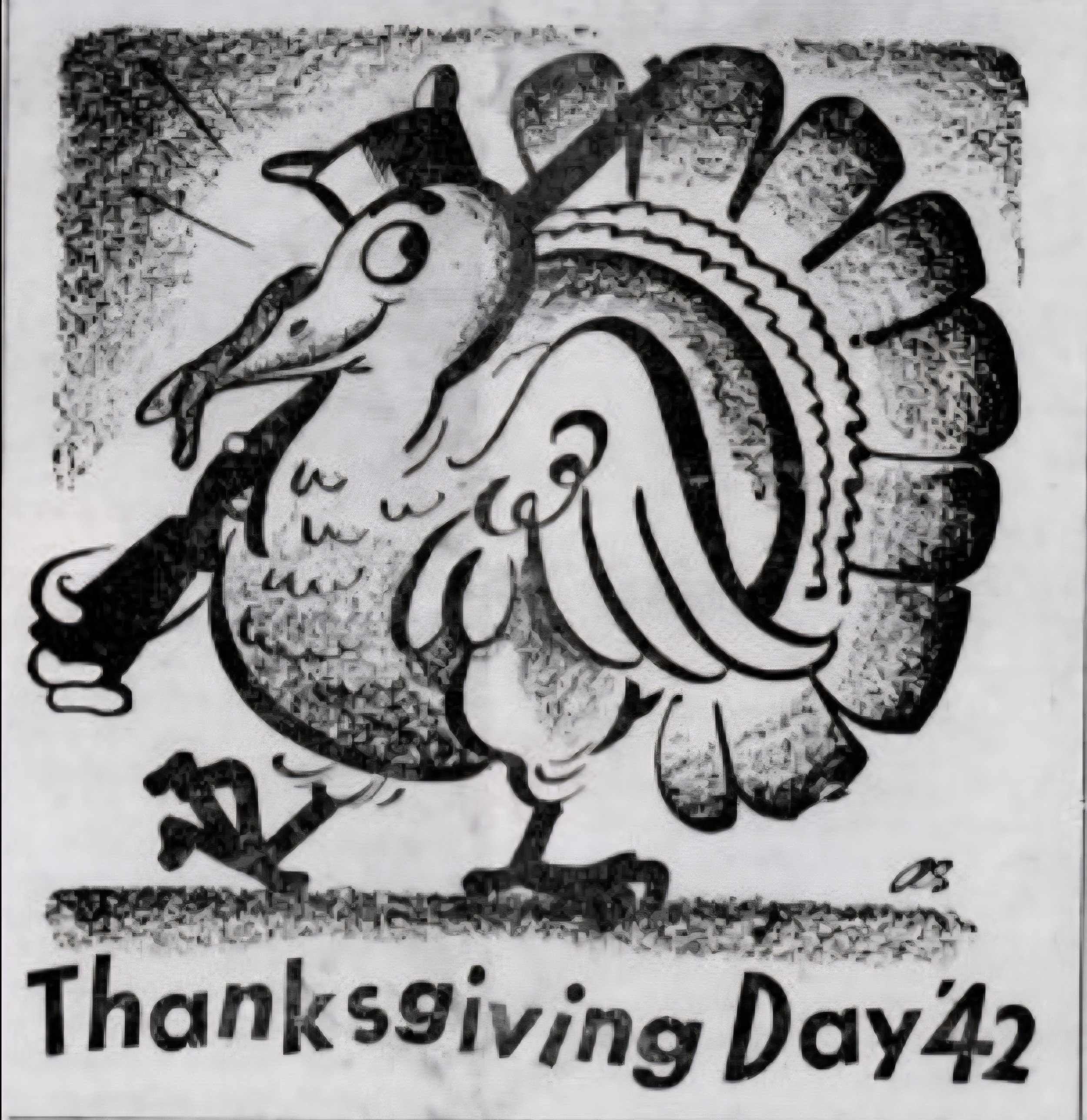
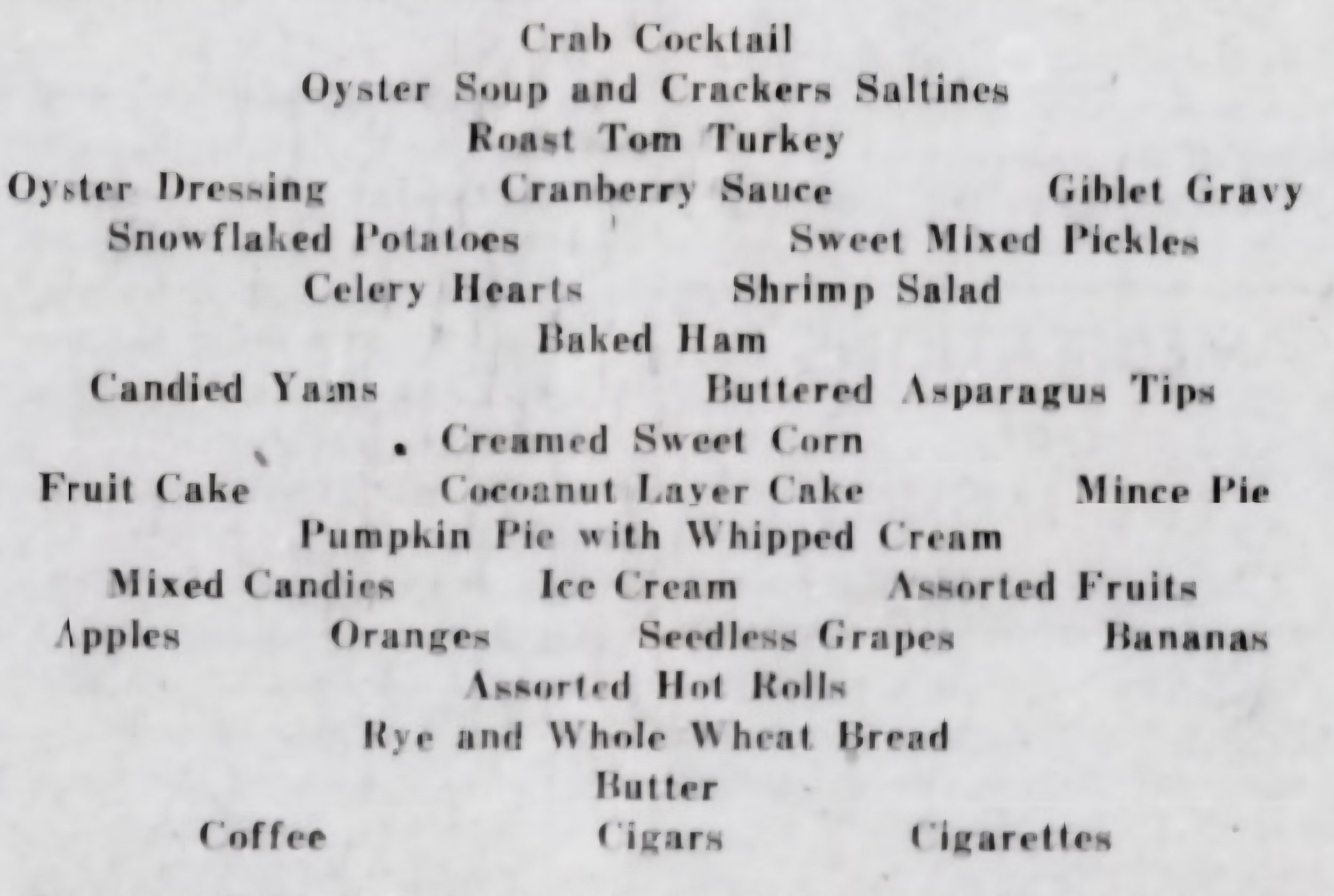
Thanksgiving was another important holiday in the Camp Adair calendar. Even though the men were in uniform and the war continued overseas, Thanksgiving provided an opportunity to step away from the normal training schedule.
In 1943, Thanksgiving Day was officially made a half holiday for the 70th Infantry Division, with training scheduled to cease at noon. Special Thanksgiving religious services were held at the post, beginning the evening before and continuing through Thanksgiving Day.
Catholic services were held at several chapels, including the 274th Infantry Chapel, 275th Infantry Chapel, and Divisional Artillery Chapel.
The holiday also provided opportunities for soldiers to connect with people in the surrounding communities. Thanksgiving was not simply something observed behind the gates of Camp Adair. Local residents opened their homes to soldiers, helping provide a family atmosphere for men who could not travel home.
The relationship between Camp Adair and the surrounding communities became particularly important during the holidays. Local families in places such as Corvallis, Albany, Salem, Amity, and Dallas welcomed soldiers into their homes for meals and fellowship.
The Thanksgiving tradition also carried into Christmas. Some soldiers who had been invited into local homes for Thanksgiving were invited back for Christmas.
The Camp Adair Sentry gives us an important glimpse into the emotional side of Thanksgiving during wartime. For a young soldier thousands of miles from home, sitting down at a local family's table could make Oregon feel a little less like a distant military installation and a little more like home.
Christmas at Camp Adair
Of all the holidays celebrated at Camp Adair, Christmas appears to have been the most elaborate.
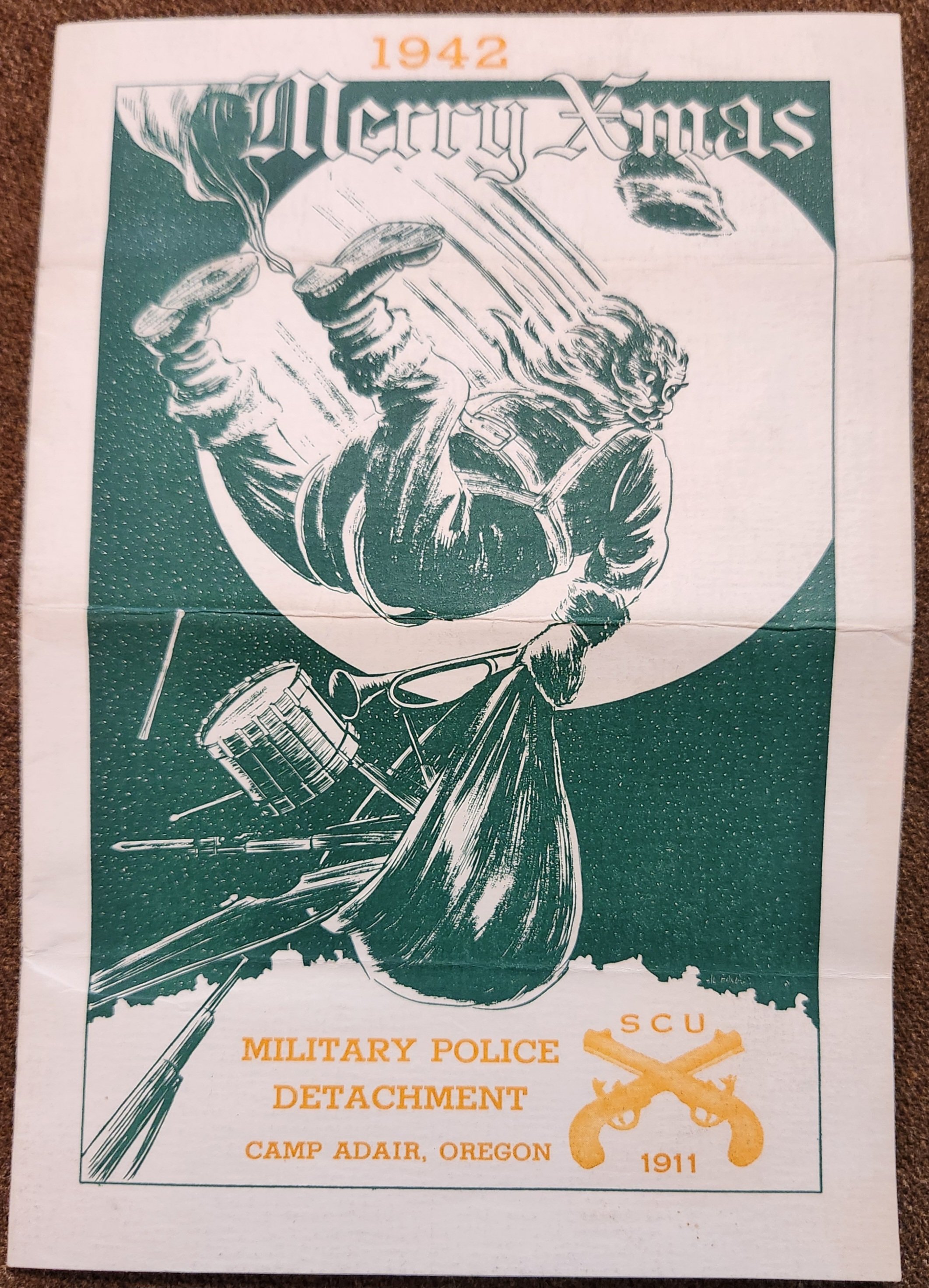
Christmas 1942 was particularly significant because it was the first Christmas celebrated at the new wartime cantonment.
The December 24, 1943, Camp Adair Sentry looked back at that first Christmas and remembered that the camp had observed its first Christmas one year earlier. The post was filled with soldiers, and Christmas Day had been designated for a postwide observance.
One of the most important traditions was the Christmas meal. In 1942, soldiers were served turkey according to the Army rationing system, with the Sentry recalling the meal as approximately 100 pounds of turkey for every 100 men.
But food was only part of the celebration.
In December 1942, approximately 500 enlisted men received invitations from families in communities around Camp Adair to spend Christmas Day in private homes. The invitations were coordinated through Camp Adair's Club 2, and soldiers from the 96th Division, Timberwolf Division, Special Troops, and Service Command were included.
Corvallis, Salem, Amity, and Dallas were among the communities that welcomed soldiers.
One family in Amity even asked for three soldiers to spend Christmas with them, specifically because their own son was serving in the Aleutians.
For soldiers unable to return home, these invitations were more than a free meal. They offered something the Army could not provide: a family Christmas.
Christmas 1943
By Christmas 1943, Camp Adair had become an even larger and busier military community.
The December 17 Sentry reported that the post was preparing a "gala round" of Christmas programs and activities for soldiers and their families.
A huge illuminated Christmas tree was being erected near the Trailblazer Division headquarters. A large Christmas party was scheduled for the Field House, with families of soldiers and especially children invited.
Santa Claus was scheduled to appear and provide presents for every child attending.
The Christmas program included:
- Christmas parties
- Caroling
- Dances
- Pageants
- Choir performances
- Religious services
- Children's activities
- Special entertainment
- Community events sponsored by nearby USO clubs
The post's chapels also held Christmas services, giving soldiers the opportunity to observe the religious meaning of the holiday.
The Sentry reported that Christmas activities were being organized not only for soldiers but also for wives, children, and guests.
The holiday spirit could also be seen in the soldiers' day rooms. One company received new furniture shortly before Christmas through a project involving Benson Polytechnic students in Portland and the American Red Cross. The soldiers who remained at Camp Adair over the Christmas weekend found that their newly improved day room made staying behind a little easier.
Christmas Shopping
Christmas also became a major part of life at the Post Exchange.
The October 29, 1943, Camp Adair Sentry even published a Christmas gift suggestion list for families asking soldiers what they wanted. Suggested items included practical military and personal goods, tobacco, homemade cookies and candy, religious items such as pocket Bibles and New Testaments, and magazine subscriptions.
This gives us another glimpse into the everyday life of the Camp Adair soldier. Christmas was not just about military ceremonies, it was also about getting a package from home, hearing a familiar voice, receiving a photograph, or opening something that reminded a soldier of his family.
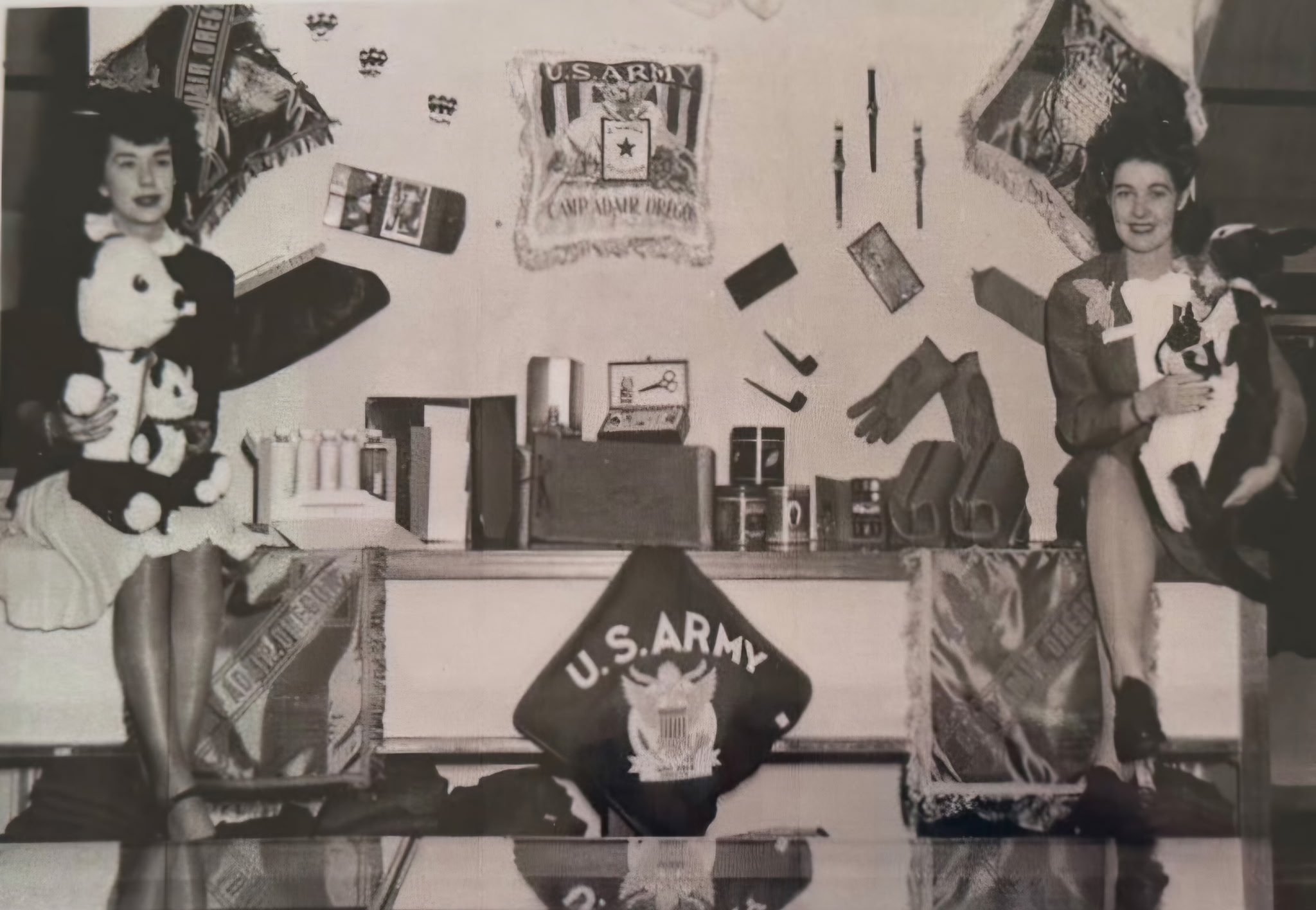
Christmas Gift Ideas published in the Sentry paper
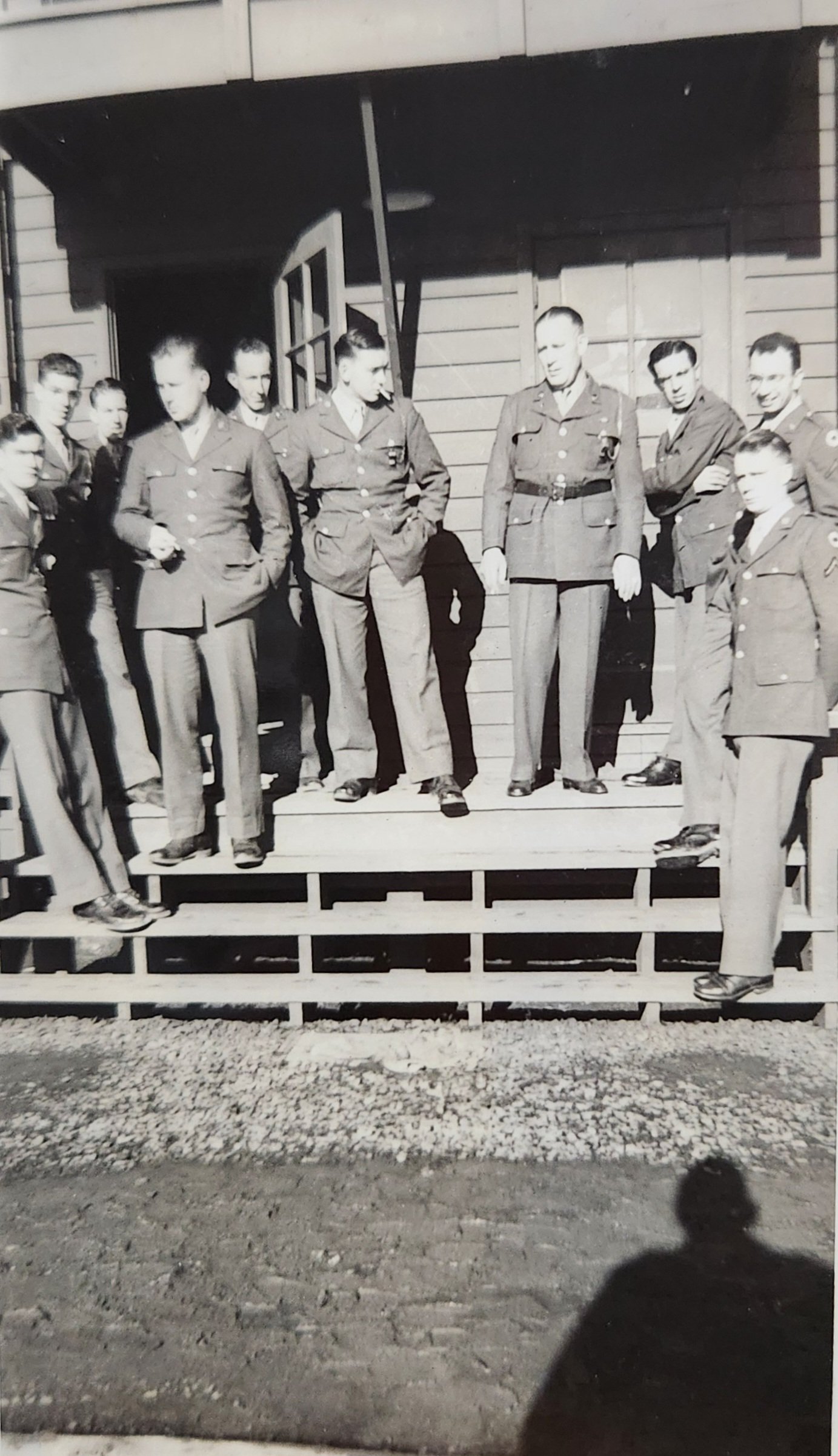
Christmas day 1943
New Year's Eve at Camp Adair
New Year's Eve brought a different atmosphere.
Rather than solemn religious services, the holiday was an opportunity for soldiers to celebrate, socialize, and enjoy entertainment.
One of the most memorable events was the New Year's Eve frolic at the Camp Adair Field House in 1942. Soldiers gathered to watch the old year pass and welcome 1943.
Camp Adair also developed a reputation for providing soldiers with live entertainment. Dances, GI shows, bands, community singing, movies, and USO performances were regular features of life at the post.
The Field House became one of the central gathering places for these events.
The Camp Adair Sentry later recalled the 1942 New Year's Eve celebration as the first and last New Year's Eve frolic at the Field House, with soldiers putting on their own entertainment to welcome the New Year.