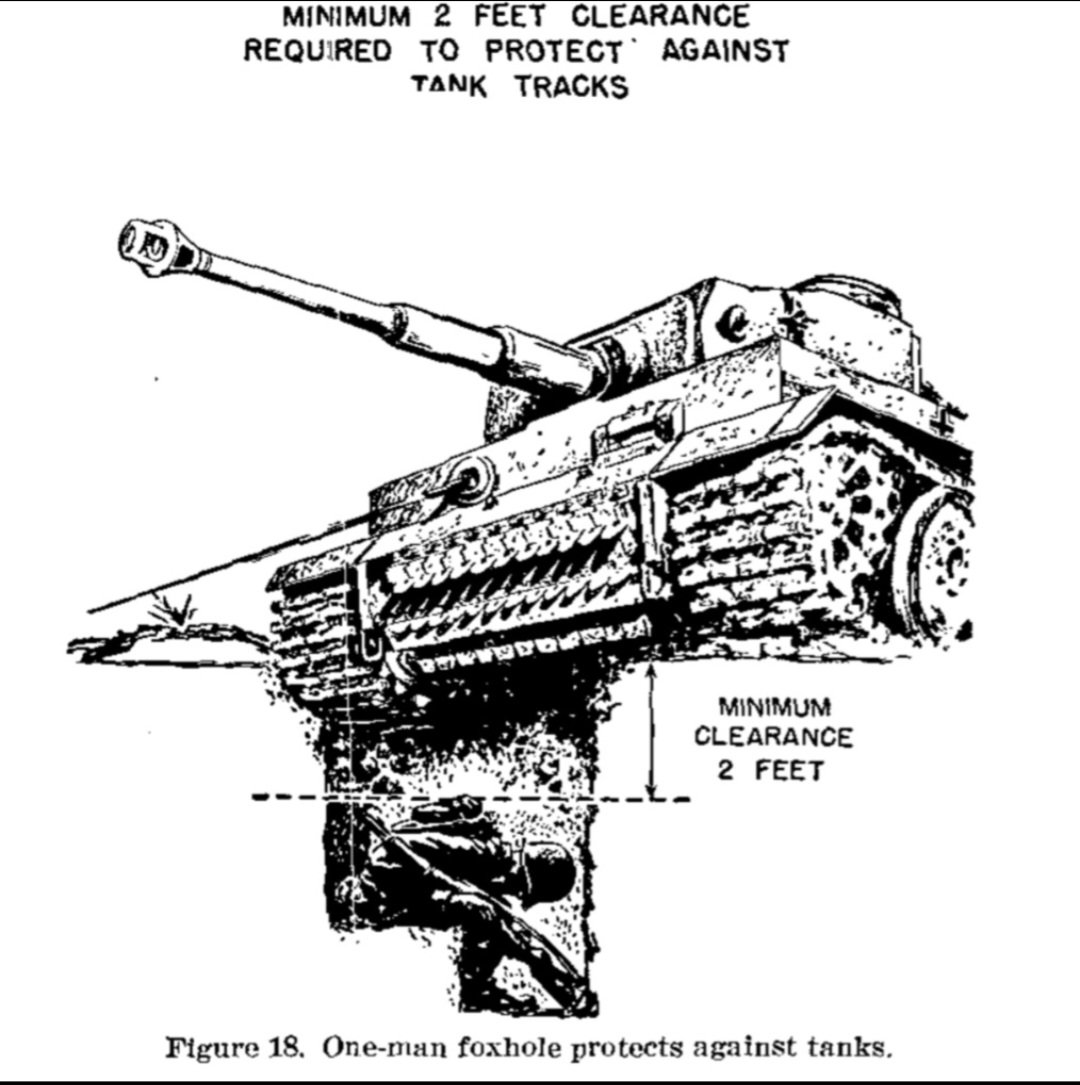
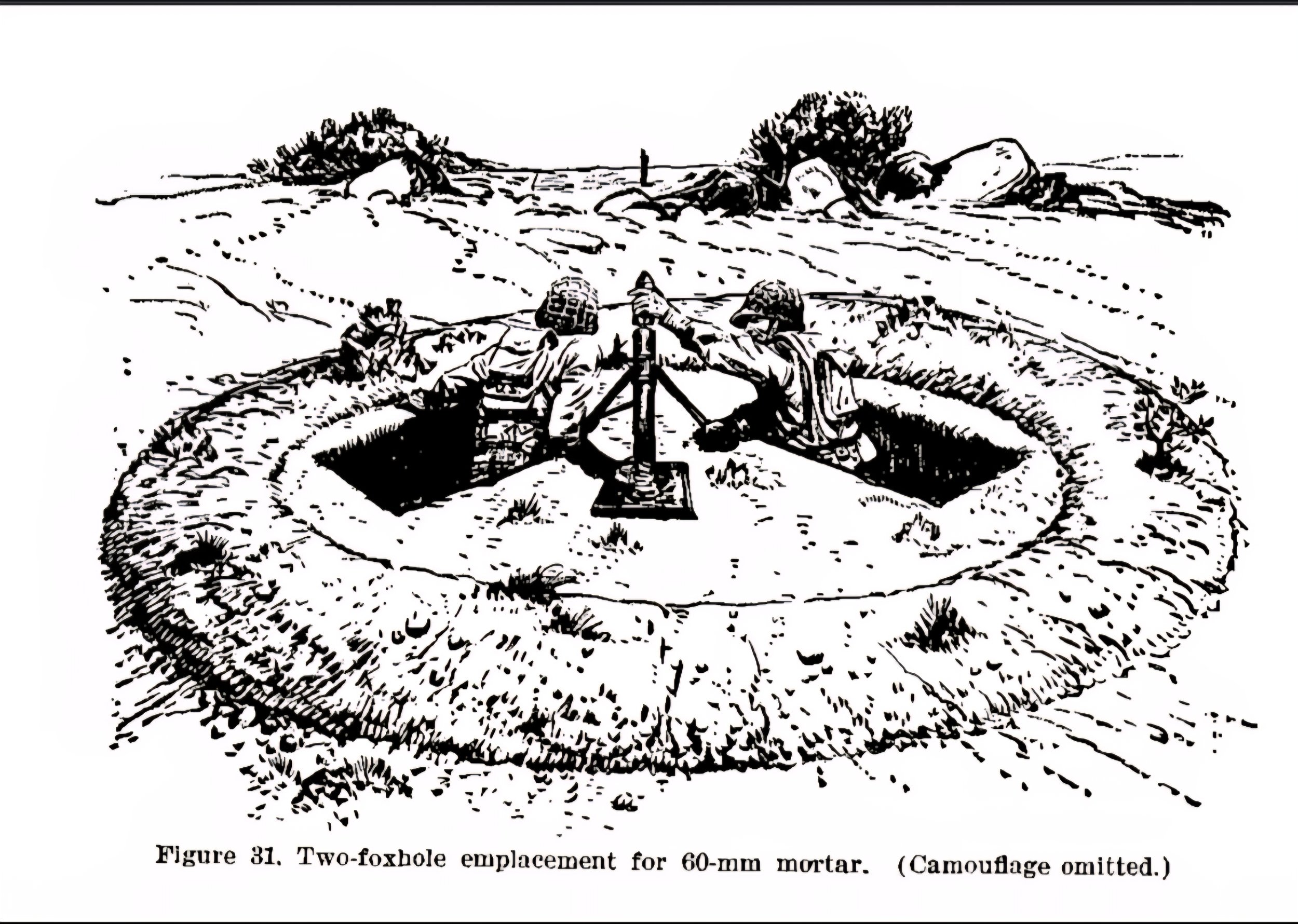
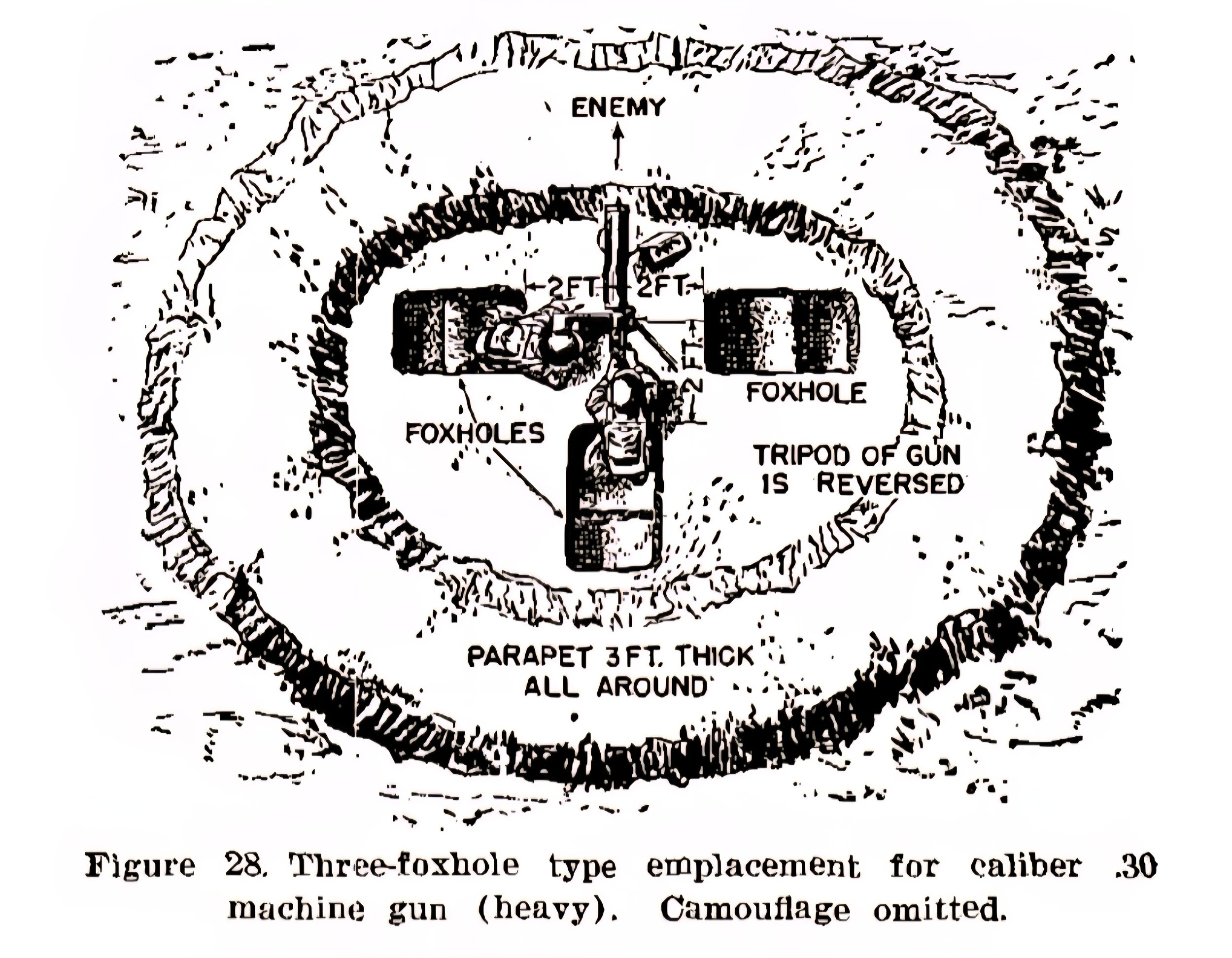
For the American soldier in World War II, learning how to dig was an important part of military training. At camps such as Camp Adair, soldiers were taught that a fighting position could mean the difference between remaining exposed to enemy fire and having a protected place from which to fight.
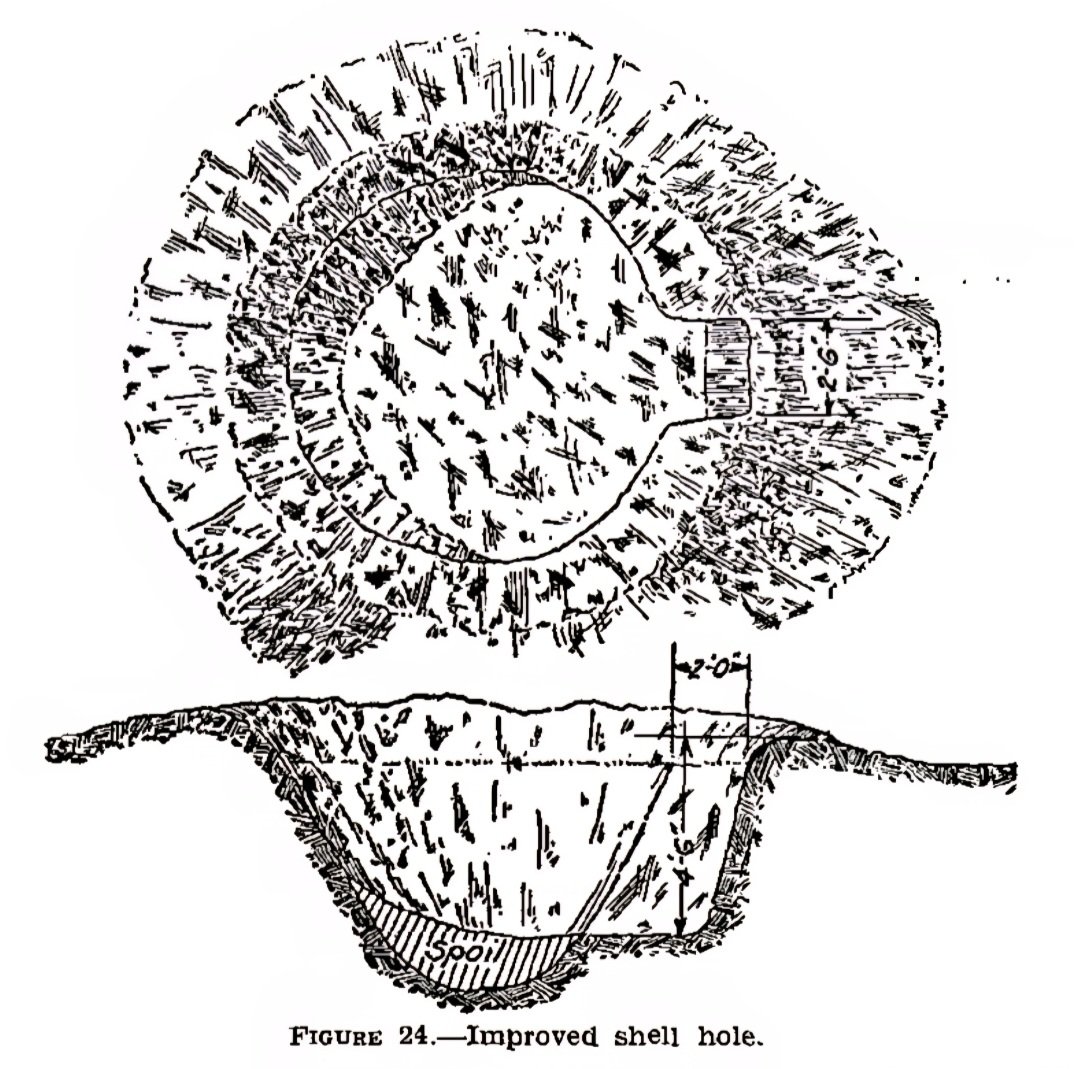
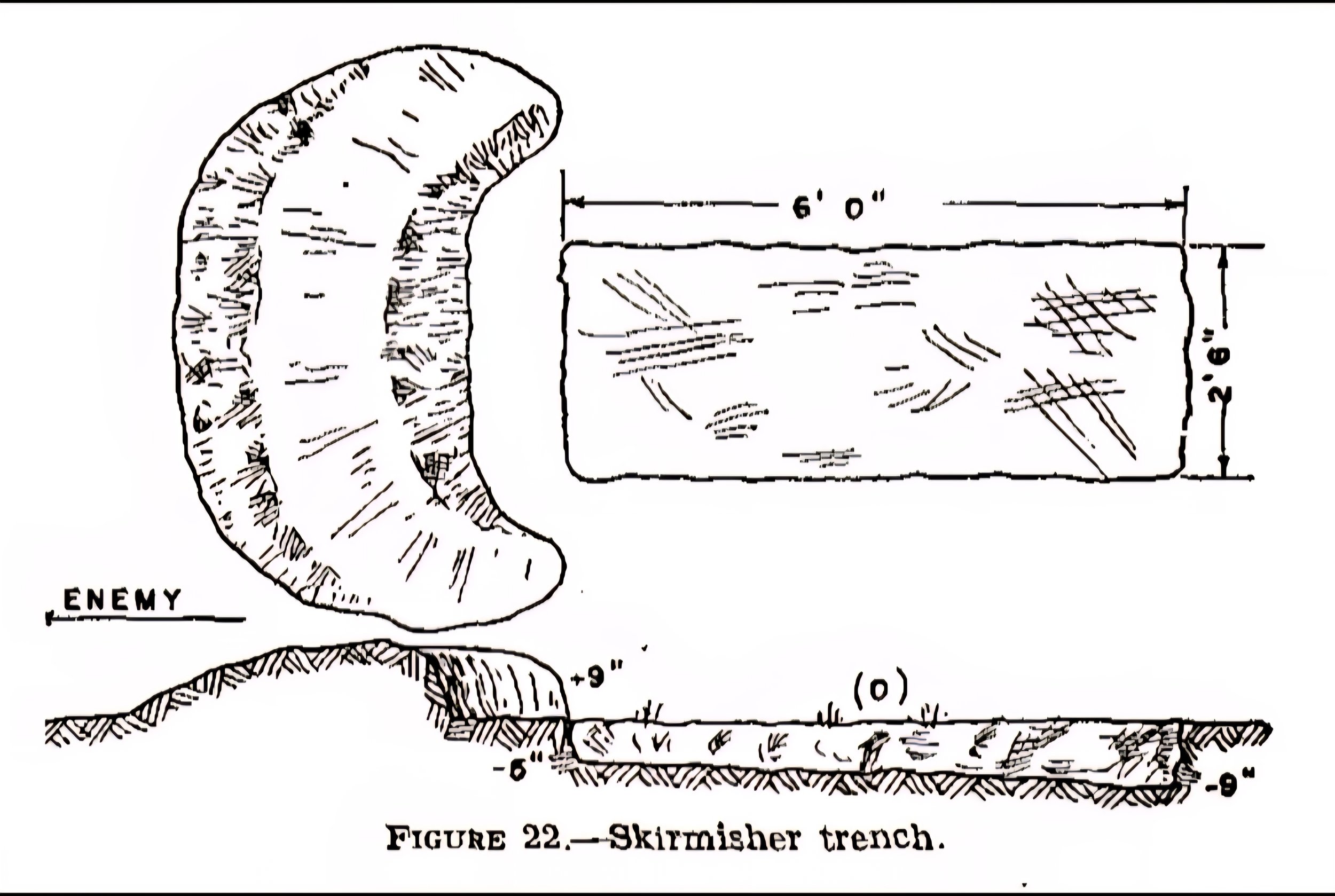
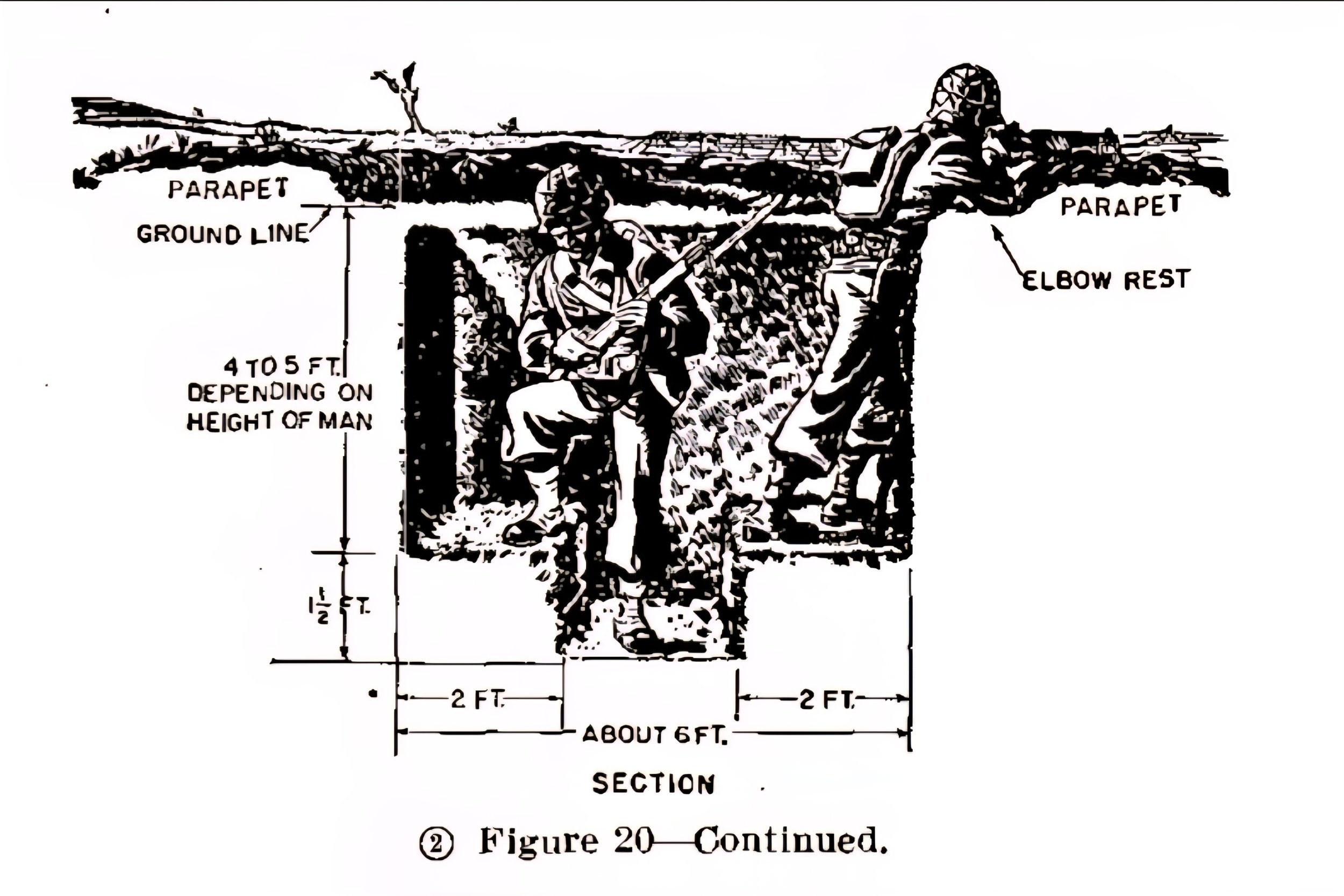
During field training, soldiers practiced digging foxholes, slit trenches, and other defensive positions using their individual entrenching tools. The work was hard, especially in the varied soil and weather conditions of Oregon. Soldiers learned to select positions that provided protection from enemy fire while still allowing them to observe and engage the enemy.
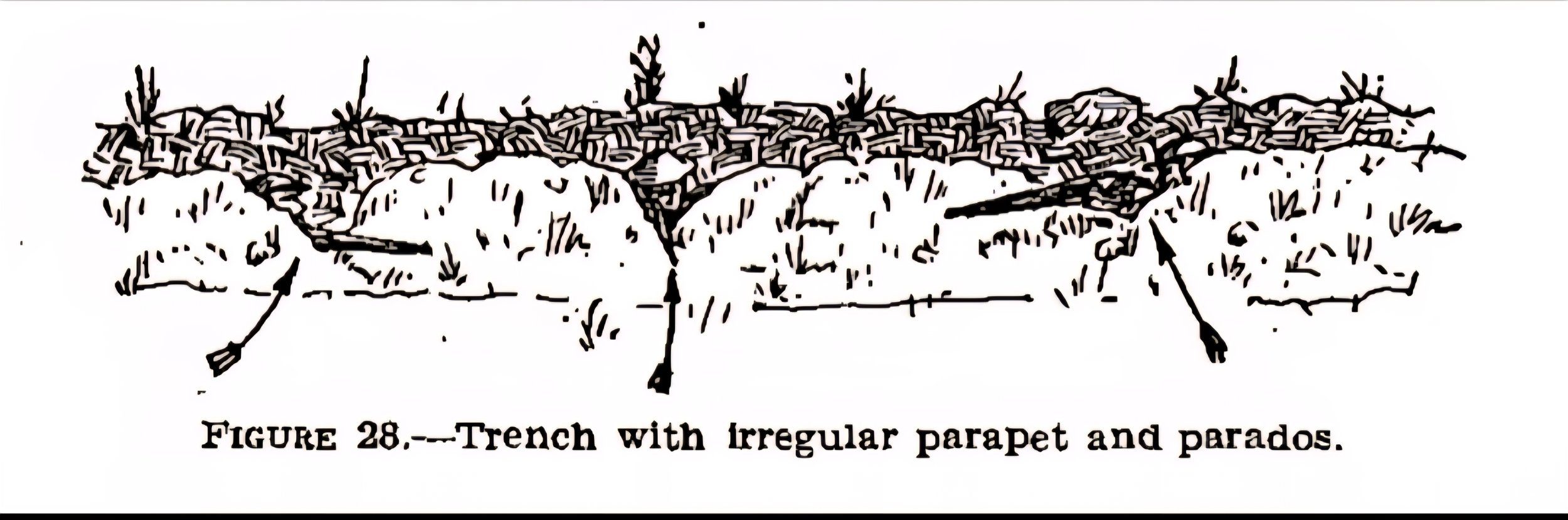
A properly constructed foxhole was more than simply a hole in the ground. Soldiers were taught to make use of natural terrain, camouflage their positions, and avoid creating an obvious target. Positions could be connected with trenches or improved with additional earthworks as time permitted.
The training emphasized that digging was not something reserved for engineers. Every infantryman was expected to know how to improve his own position and prepare defensive works when ordered. After long marches and combat exercises, soldiers often had to dig with little rest.
By the time American divisions left training camps for overseas combat, digging defensive positions had become a basic soldiering skill. On the battlefields of Europe and the Pacific, the lessons learned during training would become a daily part of survival.