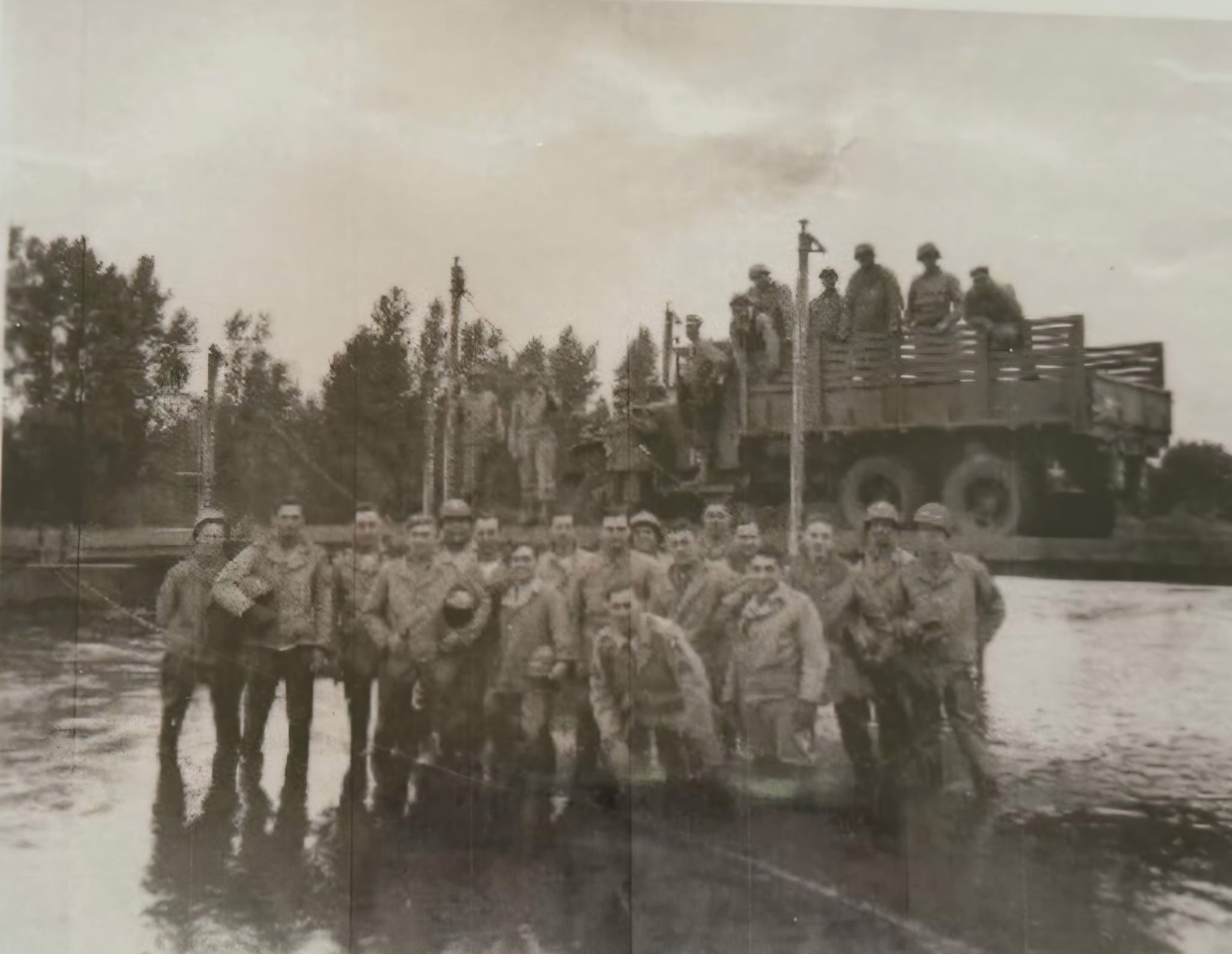
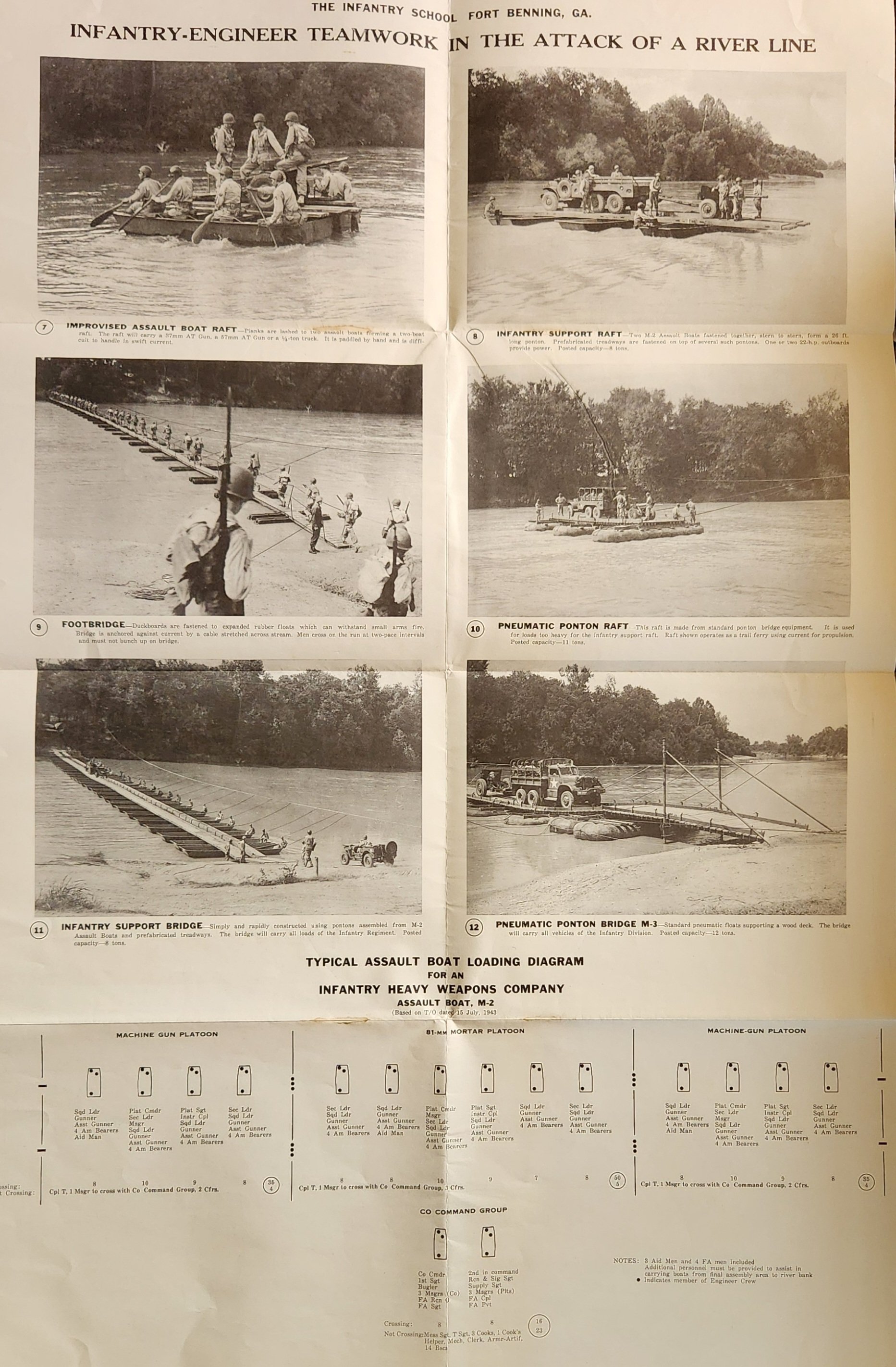
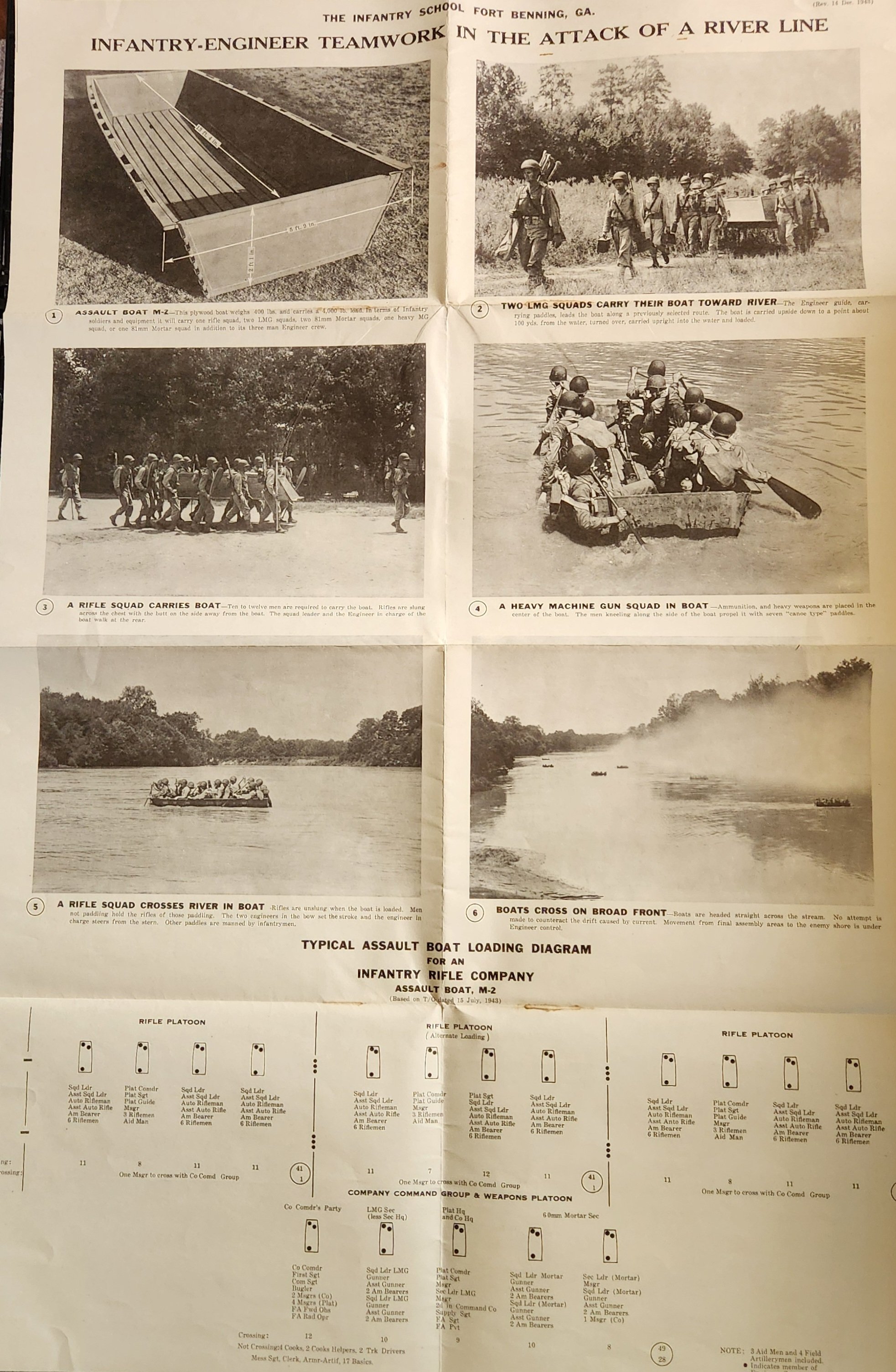
During World War II, soldiers training at Camp Adair were preparing for a war that would eventually take them across rivers, streams, and other difficult terrain. For Army engineers, learning how to move men, vehicles, equipment, and supplies across waterways was an essential part of that preparation. The rivers and waterways surrounding the Camp Adair area provided valuable opportunities for this type of training, including exercises associated with the Willamette and Luckiamute Rivers.
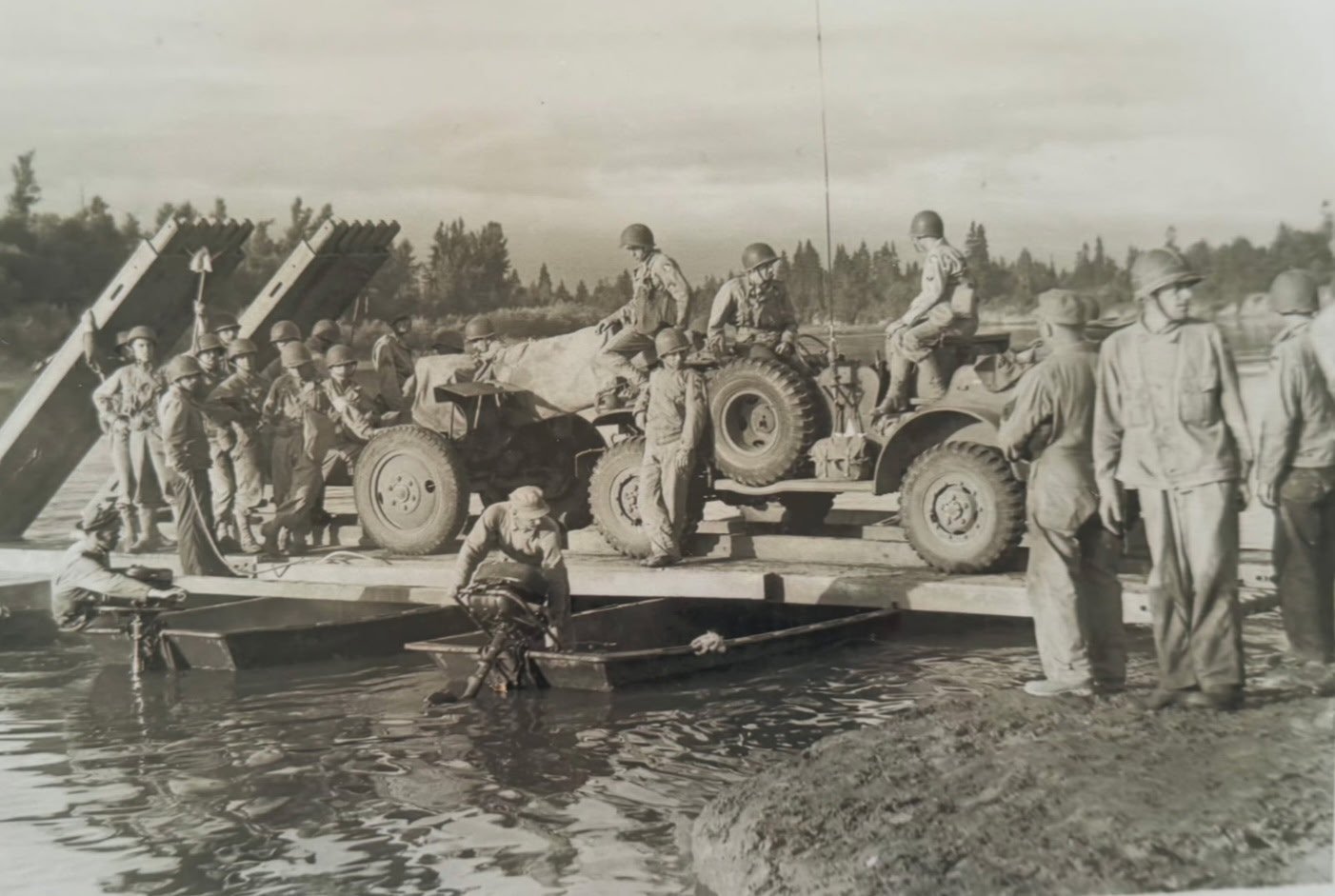
River-crossing operations were complicated military exercises. Engineers had to learn how to construct and operate temporary bridges, prepare crossings, move vehicles through water, and establish safe routes for infantry and heavy equipment. A successful crossing required careful planning and teamwork. Engineers worked alongside infantry, artillery, truck drivers, and other units to keep the operation moving.
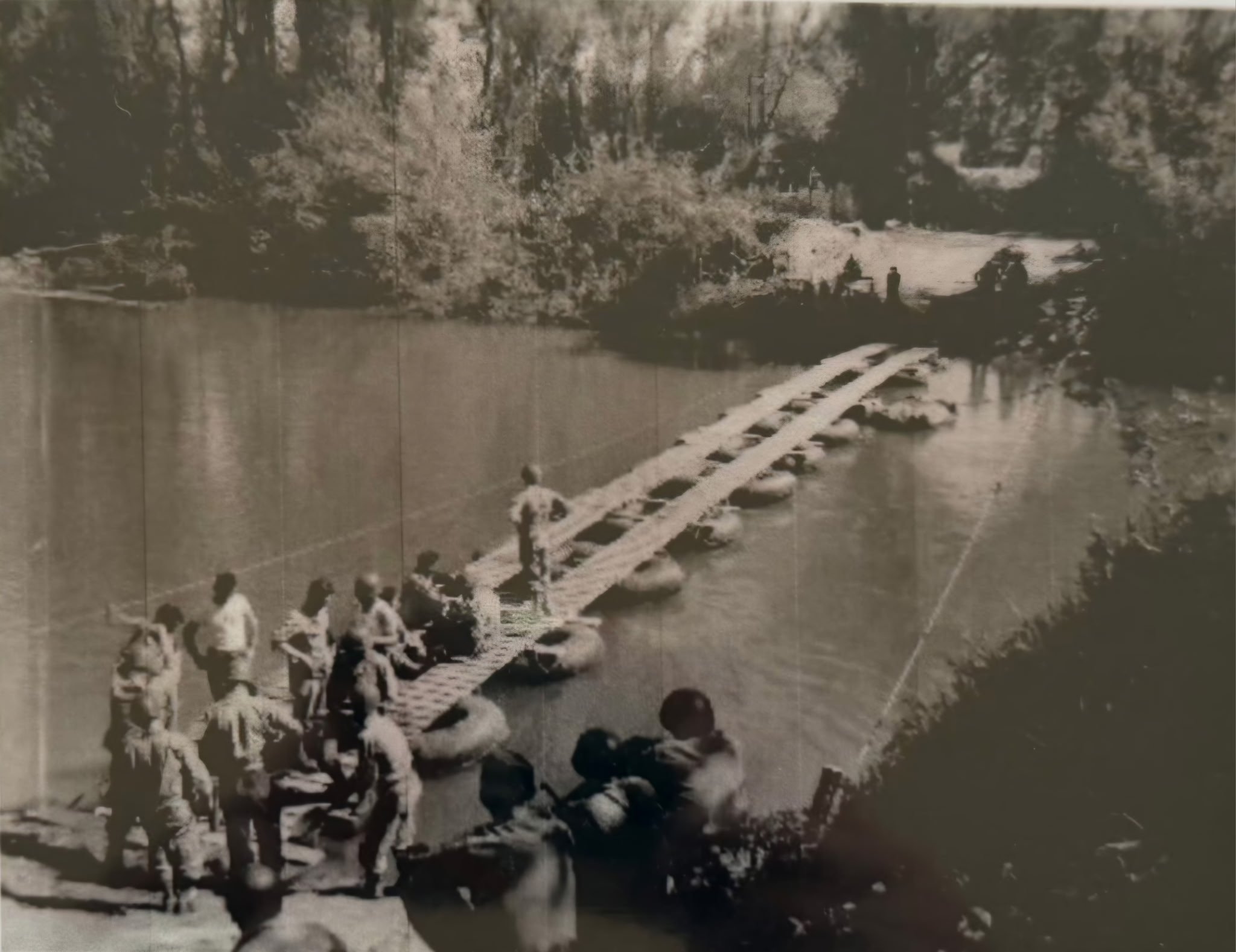
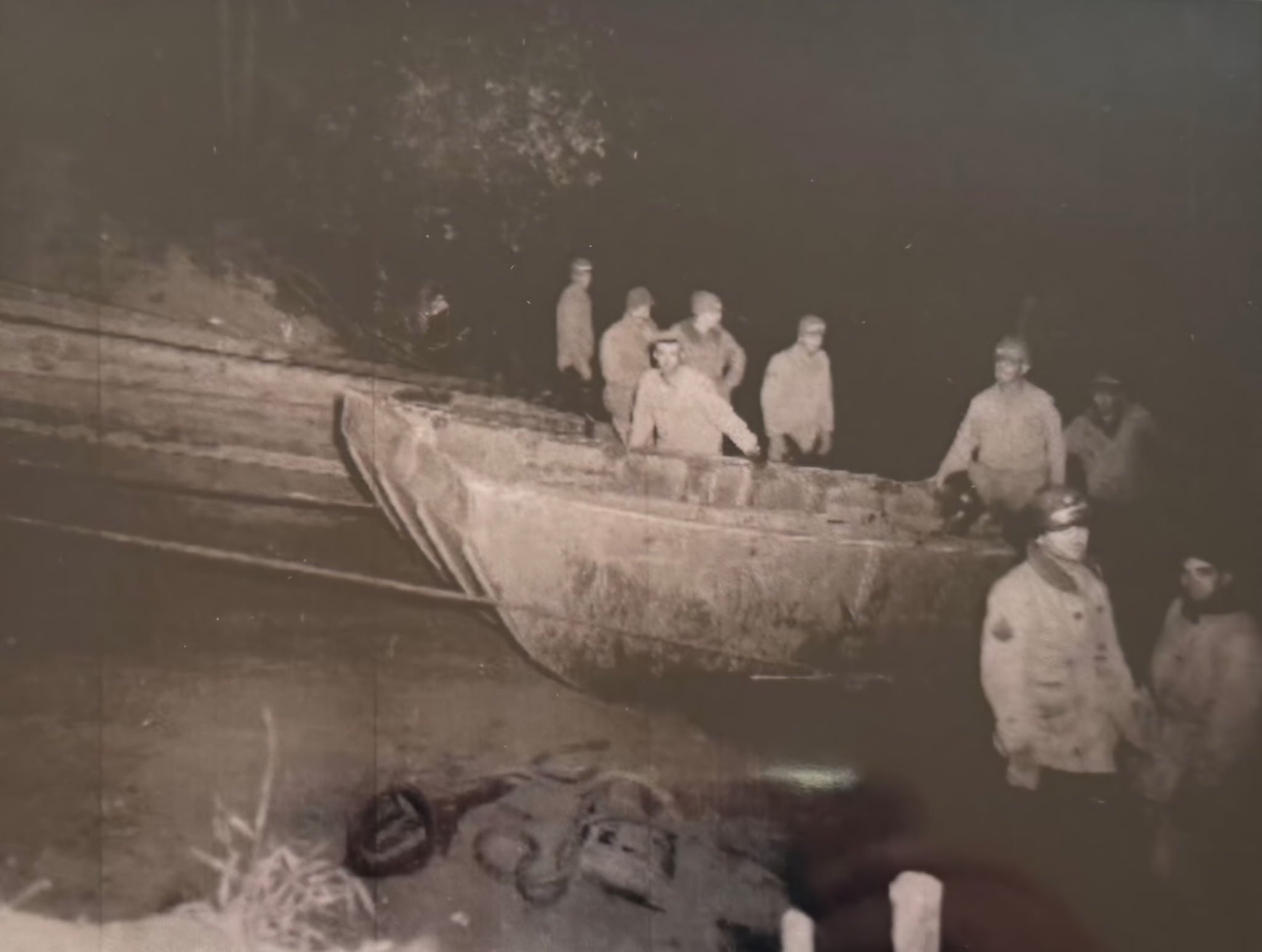
Training could involve the use of boats, pontoon equipment, temporary bridges, and other engineer equipment designed to provide a crossing where no permanent bridge existed. Soldiers learned how to assemble equipment quickly, secure it against the current, and move troops and vehicles safely from one bank to the other.
The Willamette River presented a particularly important training environment because of its size and strong current. Soldiers had to understand the hazards of moving equipment and personnel across a major river while maintaining control of the operation. The Luckiamute River, with its different terrain and water conditions, offered another opportunity for troops to practice adapting their techniques to changing circumstances.
River-crossing exercises were more than simply learning how to build a bridge. Engineers had to consider approaches to the river, the condition of the banks, water depth, current, transportation routes, communications, and the movement of supplies. Under combat conditions, a crossing might also have to be completed while enemy artillery or aircraft threatened the operation.
The lessons learned in Oregon could later prove valuable overseas. American forces eventually conducted major river crossings in Europe and the Pacific, where engineers constructed bridges and operated ferry systems under combat conditions. The training conducted around Camp Adair helped give soldiers practical experience in one of the most difficult problems an advancing army could face: getting an entire force across a river while keeping men, vehicles, weapons, and supplies moving.
For the soldiers training at Camp Adair, the rivers of the Willamette Valley were therefore more than geographical features. They became part of the battlefield preparation that transformed civilian recruits into soldiers capable of operating under the demanding conditions of modern warfare.